





What's Happening?
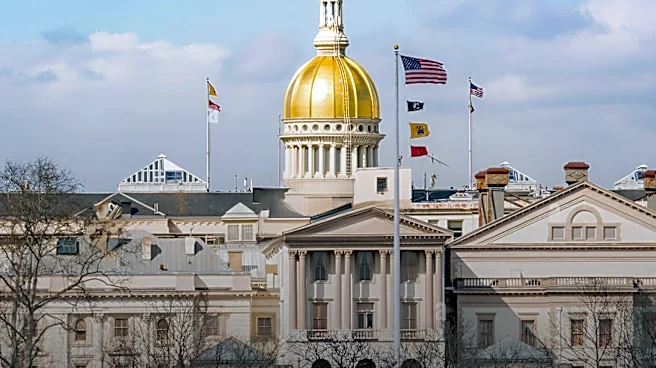
New Jersey is on the brink of significant energy cost increases, primarily due to its involvement in the Regional Greenhouse Gas Initiative (RGGI). This warning comes from discussions at the NJBIA’s 6th Annual Energy and Environment Conference. New Jersey’s
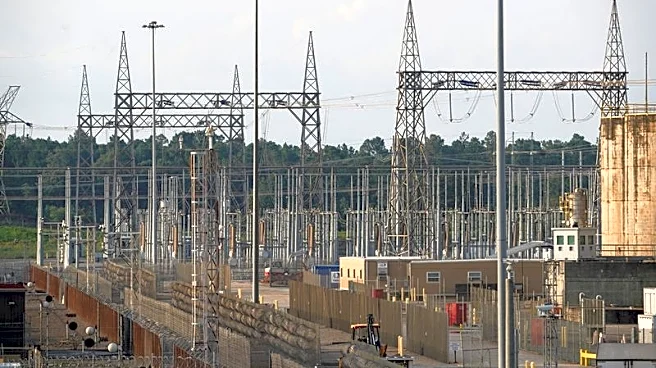
participation in RGGI mandates that power plants in the state purchase allowances for their CO2 emissions, which directly elevates operating costs and, consequently, consumer electricity bills. Since New Jersey rejoined RGGI in 2020, the prices for these allowances have surged from approximately $5 per ton to over $40 per ton. This situation is expected to impact the state's Basic Generation Service (BGS) auction in February, which sets default electricity supply rates for the next three years. Neighboring states not participating in RGGI, such as Pennsylvania, Ohio, and West Virginia, do not face these carbon pricing requirements, leading to a phenomenon described as 'leakage' where power demand shifts to dirtier, out-of-state plants.
Why It's Important?
The escalating energy costs in New Jersey have substantial implications for both businesses and residents. Higher electricity bills will directly affect household budgets and increase operational expenses for businesses, potentially hindering economic growth and competitiveness within the state. The 'leakage' effect, where electricity demand is met by out-of-state, non-RGGI compliant generators, undermines the environmental goals of RGGI by potentially increasing overall regional emissions, despite New Jersey's efforts. This situation highlights a critical challenge in environmental policy: how to design market-based mechanisms like RGGI to be effective without disproportionately burdening participating states. The current structure is leading to a scenario where New Jersey bears the financial cost of carbon reduction without necessarily achieving the intended environmental benefits due to cross-border energy dynamics.
What's Next?
The upcoming Basic Generation Service (BGS) auction in February will be a critical juncture, as it will reveal the extent of the energy cost increases for New Jersey consumers over the next three years. The NJBIA has launched a 'Rethink RGGI' campaign, proposing a policy solution to address the state's economic and environmental challenges within the initiative. While acknowledging the political unlikelihood of New Jersey completely withdrawing from RGGI, the NJBIA suggests eliminating the current auction allowance price and replacing it with a fixed $7-per-ton allowance charge. This proposal aims to stabilize costs while still maintaining a carbon pricing mechanism. The debate surrounding RGGI's redesign and effectiveness is expected to continue, with stakeholders pushing for adjustments to make the market more responsive and effective in achieving both economic and environmental objectives.
Beyond the Headlines
The challenges New Jersey faces with RGGI underscore a broader national and international debate regarding the efficacy and fairness of carbon pricing mechanisms. While intended to incentivize cleaner energy production, poorly designed or inflexible markets can lead to unintended consequences, such as economic disadvantages for participating regions and the shifting of emissions rather than their overall reduction. This situation also brings to light the complexities of interstate energy grids and the need for coordinated regional or national policies to effectively address climate change. The 'Rethink RGGI' initiative by NJBIA reflects a growing sentiment among some business communities that environmental policies must be balanced with economic realities to ensure sustainable implementation and public support. The outcome in New Jersey could serve as a case study for other states considering or participating in similar carbon market programs.