





What's Happening?
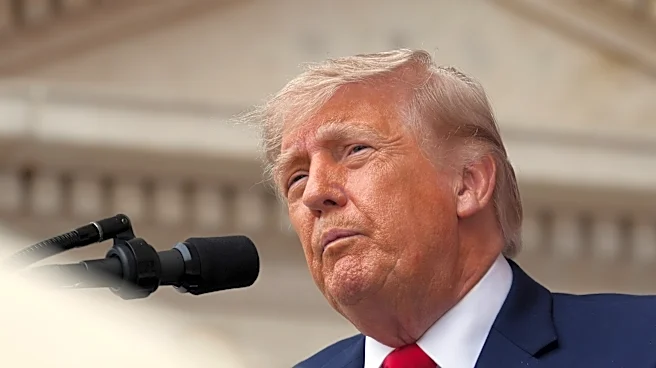
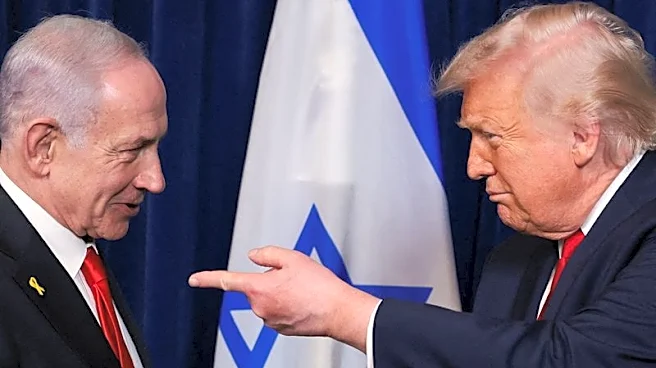
President Trump is actively engaging right-wing influencers and media figures to garner support for a new agreement with Iran. The White House has reportedly asked Republican congress members to publicly endorse the deal on social media. While some members have
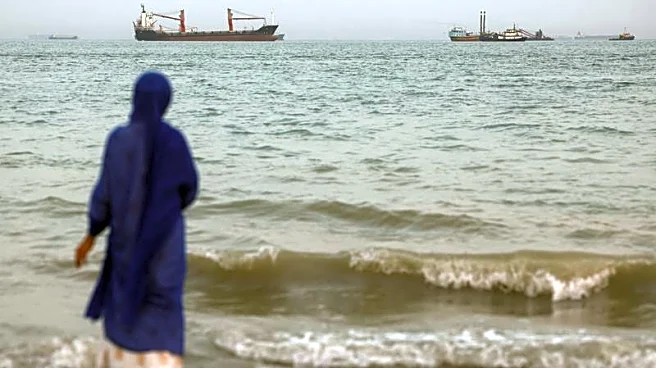
complied, others are hesitant, expressing concerns about defending the agreement upon returning to Washington. The administration is presenting the deal as a strategic achievement, potentially leading to progress with Arab states on the Abraham Accords. However, there is internal Republican concern that Iran may emerge stronger from the negotiations, particularly regarding control over the Strait of Hormuz.
Why It's Important?
The potential agreement with Iran represents a significant diplomatic effort by the Trump administration to reshape U.S. foreign policy in the Middle East. If successful, it could lead to enhanced regional stability and economic opportunities through the Abraham Accords. However, the deal's reception within the Republican Party is mixed, highlighting internal divisions and the challenge of maintaining a unified front. The outcome of these negotiations could impact U.S. relations with key allies and influence the geopolitical balance in the region, affecting global oil markets and security dynamics.
What's Next?
As negotiations continue, the administration aims to finalize the agreement, addressing key issues such as Iran's nuclear material and regional security. The White House is expected to intensify efforts to secure Republican support, potentially involving further diplomatic engagements with Arab and Muslim leaders. The outcome of these efforts will likely influence the political landscape in Washington and the broader Middle East, with potential implications for future U.S. foreign policy and military strategy.