






What's Happening?
The Federal Aviation Administration (FAA) is undertaking a significant modernization effort to update the U.S. air traffic control system, which currently relies on outdated technology from the 1970s and 1980s. FAA Administrator Bryan Bedford has expressed
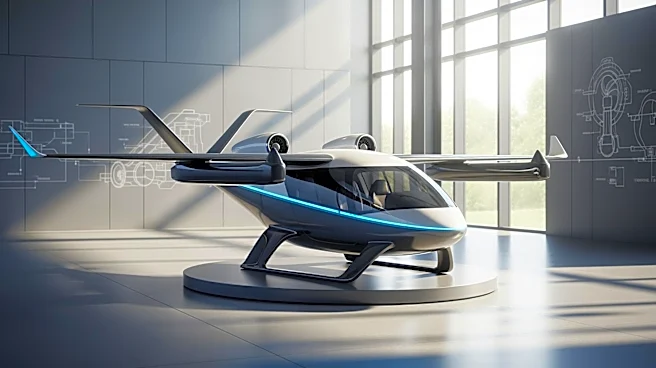
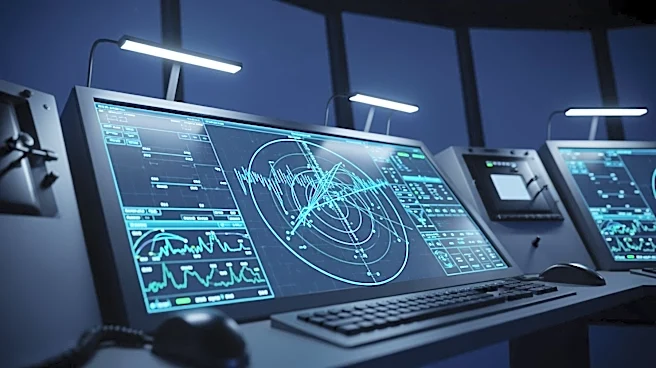
confidence in the safety of the current system but acknowledges its inefficiencies. The modernization project, with a budget of $12.5 billion, aims to replace old communication systems with fiber optics and integrate artificial intelligence to improve airspace management. This initiative is crucial as the aviation industry prepares for increased air traffic and the integration of new technologies like drones and air taxis.
Why It's Important?
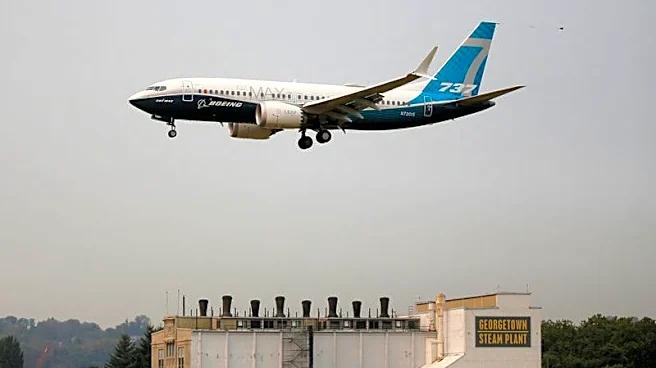
Modernizing the air traffic control system is vital for maintaining safety and efficiency in U.S. airspace, especially as air travel demand grows. The project will enhance the system's capacity to handle more flights and new types of aircraft, supporting the aviation industry's growth. Efficient air traffic management is crucial for reducing delays and improving the overall travel experience. The initiative also reflects the need for infrastructure upgrades to keep pace with technological advancements and ensure the U.S. remains competitive in global aviation.
What's Next?
The FAA will continue its modernization efforts, with Congress needing to approve additional funding for the next phase. The integration of artificial intelligence and new technologies will be a focus, aiming to create a more interoperable and efficient air traffic control system. The aviation industry will monitor these developments closely, as they will impact operational strategies and future investments. Stakeholders, including airlines and technology providers, may collaborate with the FAA to ensure successful implementation.