

What's Happening?
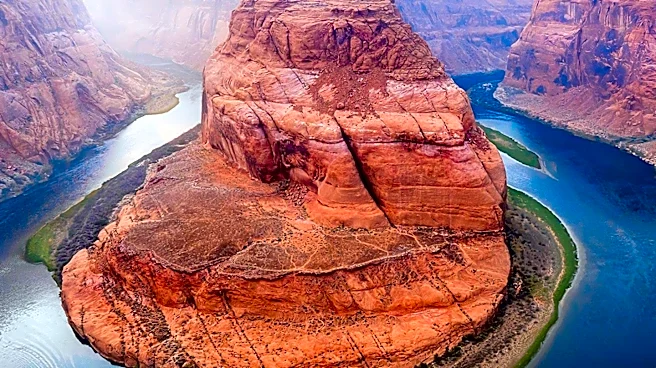
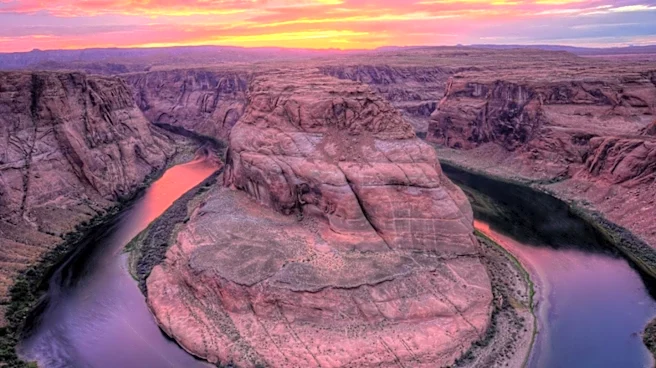
Federal officials have decided not to release cool water from a Colorado River reservoir this year, a move that would have protected the threatened humpback chub fish but strained hydropower production. The Bureau of Reclamation cited significant concerns
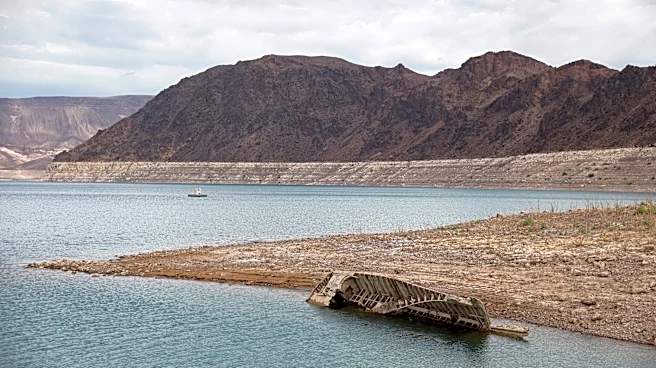
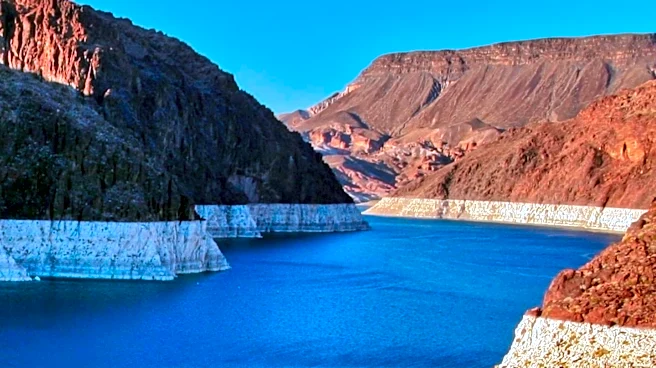
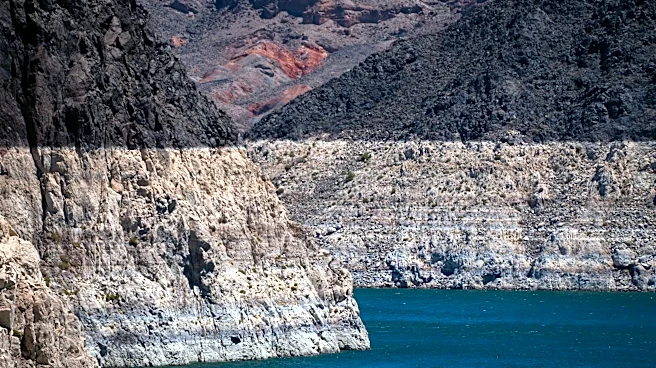
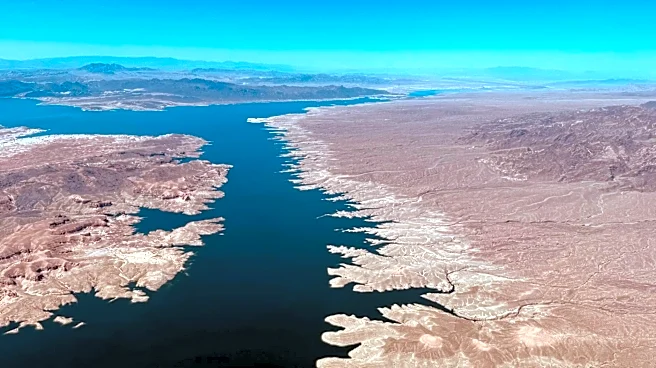
over hydropower generation under already strained conditions as the reason for their decision. The Colorado River, which supports over 40 million people across seven U.S. states, is experiencing reduced water levels due to overuse and climate change. The decision reflects a complex balance between environmental conservation and the economic implications of energy production.
Why It's Important?
The decision highlights the ongoing challenges in managing natural resources amidst climate change and increasing demand for energy. The Colorado River is a critical water source for agriculture, industry, and residential use, and its management has significant implications for regional economies and ecosystems. The choice to prioritize hydropower generation over environmental conservation underscores the difficult trade-offs faced by policymakers. This decision could set a precedent for future resource management strategies, influencing how similar conflicts are resolved in other regions.
What's Next?
Moving forward, stakeholders will likely explore alternative solutions to balance environmental and energy needs. This may include developing innovative technologies or policies that enhance water conservation while maintaining energy production. Collaborative efforts among states, conservation groups, and energy providers will be crucial in addressing these challenges. The decision also raises questions about the long-term sustainability of current water and energy management practices, prompting discussions on potential reforms and investments in renewable energy sources.