





What's Happening?
The Trump administration has proposed the complete elimination of funding for the Senior Community Service Employment Program (SCSEP) in its 2027 budget proposal. SCSEP, established in 1965, provides job training and community service opportunities for older
adults. The program is currently funded at approximately $395 million for fiscal year 2026. The administration argues that the program is ineffective and duplicative, suggesting that other federal programs already address its purpose. Critics, including Sen. Tammy Baldwin, argue that the program is crucial for older adults who face significant barriers to employment. The proposal has sparked concern among participants and advocates who emphasize the program's role in providing essential job skills and income to seniors.
Why It's Important?
The proposed elimination of SCSEP funding could have significant implications for older adults who rely on the program for job training and income. The program serves individuals who are often the hardest to employ, including those with limited education, disabilities, or language barriers. Eliminating the program could exacerbate economic challenges for seniors, particularly as new work requirements for Medicaid and SNAP benefits are introduced. The decision also reflects broader policy debates about the role of federal programs in supporting vulnerable populations and the prioritization of budgetary resources. The outcome of this proposal could influence future funding decisions for similar social programs.
What's Next?
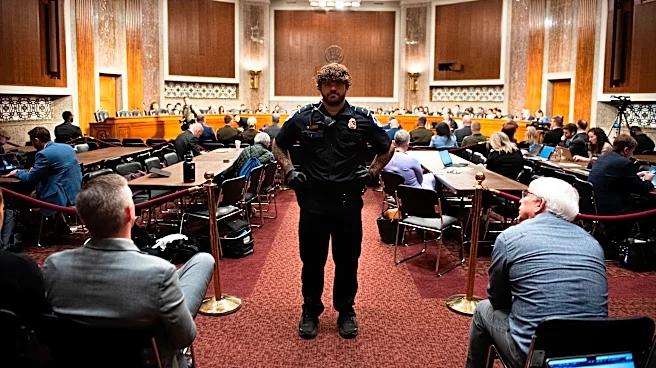
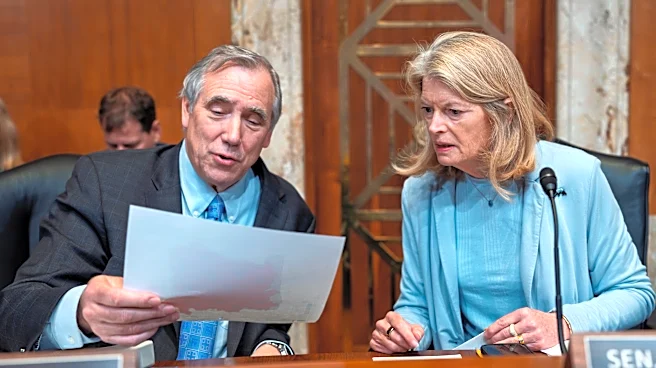
The proposal to eliminate SCSEP funding will be subject to congressional review and debate as part of the broader budget approval process. Lawmakers, particularly those on the Senate appropriations subcommittee overseeing labor issues, will play a critical role in determining the program's future. Advocacy groups and program participants are likely to increase lobbying efforts to preserve funding. The decision will also be closely watched by other federal programs facing potential cuts, as it may set a precedent for future budgetary decisions affecting social services.