



What's Happening?
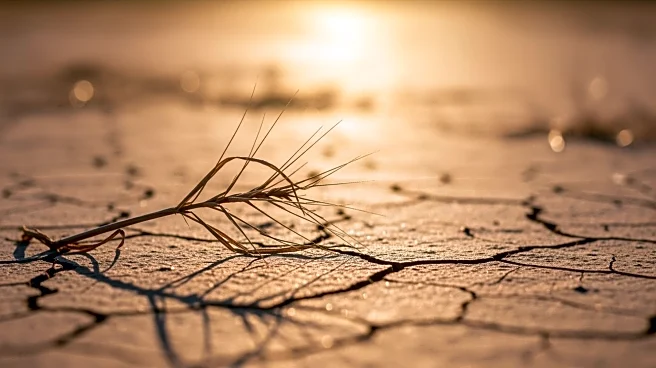
Pablo's Sanctuary, a horse sanctuary located in Long Clawson, Leicestershire, is facing significant challenges due to the soaring prices of hay. The sanctuary, which cares for 85 horses, has been hit hard by a dry spring and a summer drought, leading
to a shortage of hay. Carole Fielding, who has been running the sanctuary for 30 years, reports that the current hay prices are the highest she has ever seen. The sanctuary uses about 20 large round bales and 100 smaller bales of hay weekly, with prices for large bales now between £90 and £100, and smaller bales costing between £9 and £10, up from the usual £4. The situation is exacerbated by the summer of 2025 being the warmest on record since 1884, affecting hay yields. Some farmers have resorted to importing hay from Europe to meet demand.
Why It's Important?
The rising cost of hay poses a significant threat not only to horse sanctuaries like Pablo's but also to the broader agricultural sector in the UK. The increased prices and scarcity of hay could lead to financial strain on farmers and sanctuaries, potentially forcing them to sell livestock or reduce their operations. This situation highlights the vulnerability of the agricultural sector to climate change, as extreme weather patterns disrupt traditional farming practices. The financial pressures could also impact the health and welfare of livestock, as well as the productivity and sustainability of British livestock farming. The need to import hay from Europe further underscores the interconnectedness of agricultural markets and the potential for international supply chain disruptions.
What's Next?
As winter approaches, the sanctuary and other agricultural stakeholders will need to navigate the challenges posed by the high cost and limited availability of hay. Support from donors and the community will be crucial for sanctuaries like Pablo's to survive the winter. Additionally, there may be increased calls for government intervention or support to assist farmers and sanctuaries in managing the financial and operational impacts of the hay shortage. The situation may also prompt discussions on the need for more sustainable agricultural practices and better preparation for future climate-related disruptions.
Beyond the Headlines
The current hay crisis in the UK serves as a stark reminder of the broader implications of climate change on agriculture. It highlights the need for adaptive strategies to cope with extreme weather events and their impact on food and feed supply chains. The situation also raises ethical considerations regarding animal welfare, as sanctuaries and farmers struggle to provide adequate care for their animals under financial constraints. Long-term, this could lead to shifts in agricultural policy and increased investment in climate-resilient farming techniques.