





What's Happening?
Representative David Valadao (R-Calif.) is co-leading bipartisan legislation, H.R. 7145, aimed at establishing a federal definition for 'essential health systems.' This bill, reintroduced in January, seeks to provide Congress with a mechanism to direct
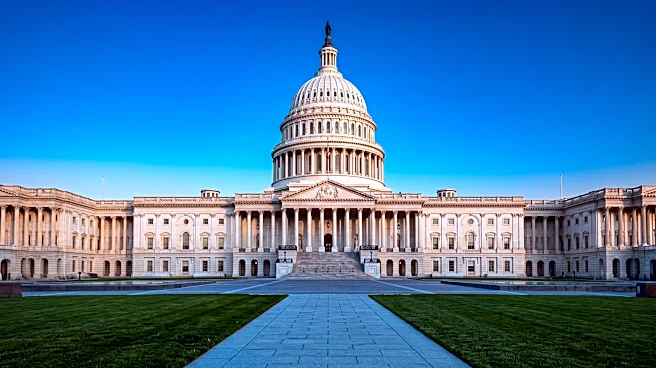
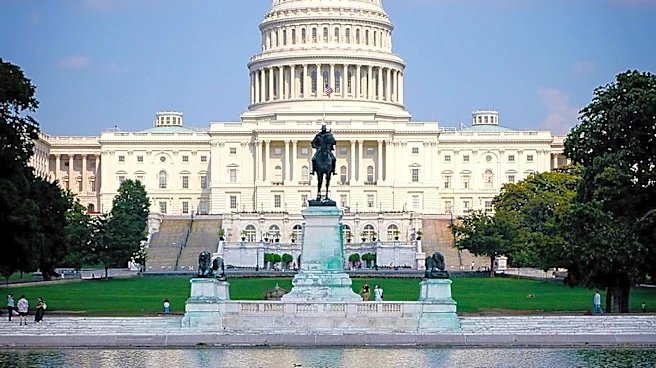
support towards foundational members of the nation's healthcare safety net. The legislation is gaining traction in the House, attracting several new cosponsors from both Democratic and Republican parties. The initiative comes as Congress returns to Capitol Hill with a busy agenda, including addressing legislative and policy priorities before the end of the year, and amid a political environment increasingly shaped by upcoming elections. The bill's progress is part of broader efforts to advance essential hospitals' priority advocacy issues.
Why It's Important?
This bipartisan effort is significant for the U.S. healthcare landscape as it aims to formalize support for critical healthcare providers. By defining 'essential health systems' at the federal level, the legislation could enable more targeted and effective allocation of resources to hospitals and facilities that serve as the backbone of community health. This could lead to improved access to care, enhanced operational stability for these institutions, and a stronger overall healthcare safety net, particularly for underserved communities. The involvement of both Republican and Democratic representatives, such as Rep. Valadao and Rep. Lori Trahan (D-Mass.), underscores a shared recognition of the need to bolster these vital healthcare components, potentially mitigating future healthcare crises and ensuring continuity of essential services across the nation.
What's Next?
The bipartisan legislation, H.R. 7145, will continue to move through the House, with ongoing efforts to secure additional cosponsors and advance it through relevant committees. The primary committee of jurisdiction, the House Committee on Energy and Commerce, already has several existing cosponsors, which could facilitate its progress. Stakeholders, including America's Essential Hospitals, are actively encouraging delegations to cosponsor the bill, highlighting its importance for the healthcare safety net. The legislative timeline is influenced by the approaching end of the year and the upcoming November midterm elections, which are shaping the congressional agenda. Further consideration and potential passage of this bill will depend on continued bipartisan cooperation and legislative prioritization.
Beyond the Headlines
The push for a federal definition of 'essential health systems' reflects a deeper recognition of the vulnerabilities within the U.S. healthcare infrastructure, particularly highlighted by recent public health challenges. Beyond immediate financial support, this legislation could foster a more resilient and equitable healthcare system by ensuring that critical facilities, often serving vulnerable populations, receive consistent and structured backing. It also signals a potential shift towards a more proactive federal role in safeguarding healthcare access and quality, moving beyond reactive measures. The bipartisan nature of this effort suggests a shared understanding across the political spectrum regarding the fundamental importance of these health systems, potentially setting a precedent for future collaborative legislative initiatives in healthcare.