







What's Happening?
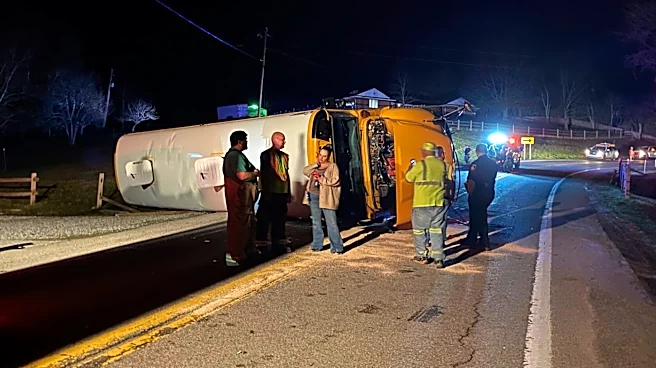
In New York, there is a legislative push to establish a 15-foot buffer zone around first responders. This initiative aims to allow police to arrest individuals who encroach upon this designated area, thereby enhancing the safety of emergency personnel
during their operations. The proposal is gaining attention as it seeks to address concerns about the safety and efficiency of first responders, who often face challenges from bystanders or individuals interfering with their duties. The measure is part of a broader effort to ensure that emergency services can operate without unnecessary hindrance, thereby improving response times and outcomes in critical situations.
Why It's Important?
The proposed buffer zone is significant as it directly impacts the operational safety and effectiveness of first responders in New York. By legally enforcing a distance between emergency personnel and the public, the measure aims to reduce the risk of interference and potential harm to both responders and civilians. This could lead to more efficient emergency responses, potentially saving lives and resources. The initiative also highlights the ongoing challenges faced by first responders, including crowd control and safety during emergencies. If implemented, this policy could set a precedent for similar measures in other jurisdictions, reflecting a growing recognition of the need to protect those who serve on the front lines of public safety.
What's Next?
If the buffer zone proposal gains legislative approval, it will require the development of clear guidelines and enforcement mechanisms to ensure compliance. Law enforcement agencies and first responder organizations will likely need to collaborate on training and public awareness campaigns to educate the public about the new regulations. Additionally, there may be discussions around the legal implications and potential challenges to the enforcement of such a measure. Stakeholders, including civil rights groups, may weigh in on the balance between public safety and individual freedoms, potentially influencing the final form of the legislation.