
What's Happening?
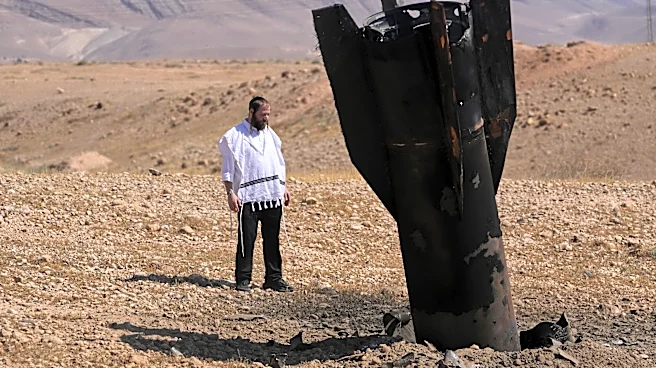
Crude oil prices have risen following a series of airstrikes between Israel and Iran, escalating tensions in the region. The conflict has disrupted crude oil shipments through the Strait of Hormuz, a critical
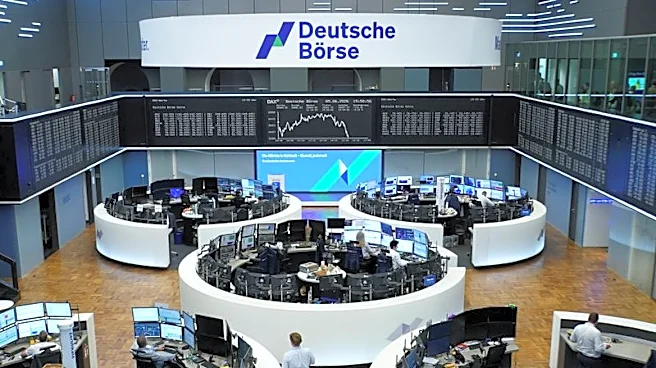
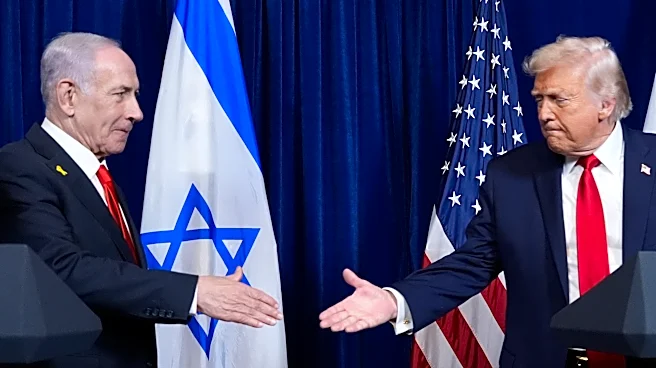
chokepoint for global oil supply. Despite a tentative ceasefire agreement between the U.S. and Iran, the latest hostilities have strained diplomatic efforts to resolve the conflict. President Trump has reportedly urged Israeli Prime Minister Benjamin Netanyahu to refrain from further retaliation, emphasizing the need to avoid escalating the situation. The price of Brent crude has increased by 1%, while U.S. crude prices have risen by 0.6%, reflecting market concerns over supply disruptions.
Why It's Important?
The rise in oil prices due to geopolitical tensions highlights the vulnerability of global energy markets to regional conflicts. The Strait of Hormuz is a vital artery for oil transportation, and any disruption can have significant implications for global energy prices and economic stability. The U.S. economy, heavily reliant on oil imports, could face increased inflationary pressures as a result of higher energy costs. This situation also underscores the challenges faced by the U.S. administration in balancing diplomatic efforts with strategic interests in the Middle East. The ongoing conflict could further complicate international relations and economic policies, impacting global markets and trade dynamics.
What's Next?
The international community will be closely monitoring the situation for any signs of escalation or resolution. Diplomatic efforts are likely to intensify as stakeholders seek to prevent further conflict and stabilize the region. The U.S. administration may continue to engage with both Israeli and Iranian leaders to de-escalate tensions and promote dialogue. Meanwhile, global markets will remain sensitive to developments in the region, with potential volatility in oil prices and related economic indicators. The outcome of these diplomatic efforts will be crucial in determining the future trajectory of the conflict and its impact on global energy markets.