



What's Happening?
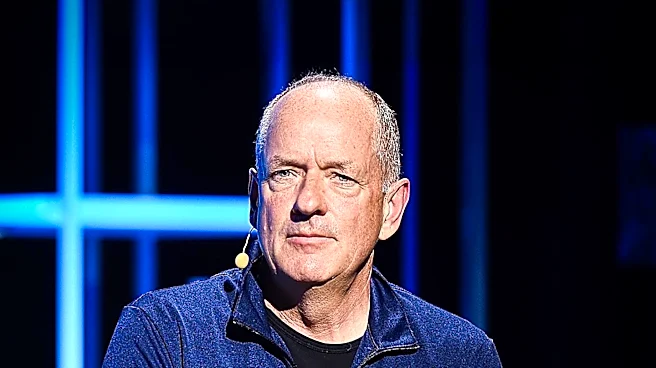
Dr. Arthur 'Tim' Garson Jr., a clinical professor at the University of Houston, College of Medicine, has voiced strong opposition to 'Medicare for All' as a solution for universal healthcare coverage in the U.S. He argues that while universal coverage is
essential, 'Medicare for All' is a 'terrible way' to achieve it. Dr. Garson specifically targets the Medicare for All Act of 2025, which proposes comprehensive coverage including elective surgery, dental, hearing, and vision care without copays or cost-sharing, and aims to eliminate all private insurance. He contends that traditional Medicare, while effective for its current 34 million beneficiaries, would not be sustainable for the entire U.S. population of 338 million due to a lack of guardrails and potential for care costs to increase by 25% to 30%.
Why It's Important?
Dr. Garson's critique highlights a significant debate within U.S. healthcare policy regarding the most effective and fiscally responsible path to universal coverage. His argument that 'Medicare for All' would lead to unsustainable cost increases challenges the claims of some analyses that suggest it would save money. The U.S. already spends more than twice the average of other developed countries on healthcare per person, with an estimated one-third of the $5.5 trillion spent being wasted. Dr. Garson proposes a 'single safety net' system, common in many developed nations, which combines basic, tax-supported healthcare for everyone with the option for private insurance. This approach aims to provide essential coverage while allowing for private market participation, potentially addressing concerns about both access and cost control.
What's Next?
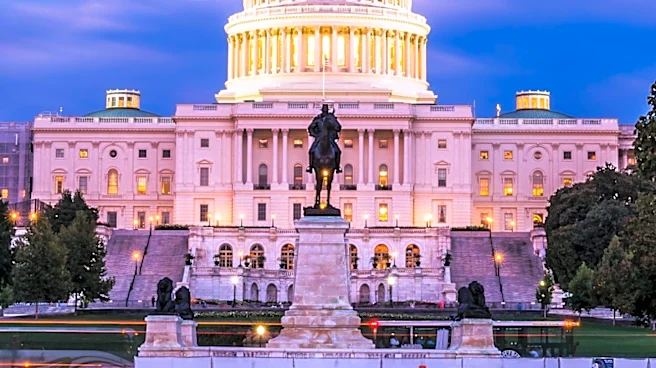
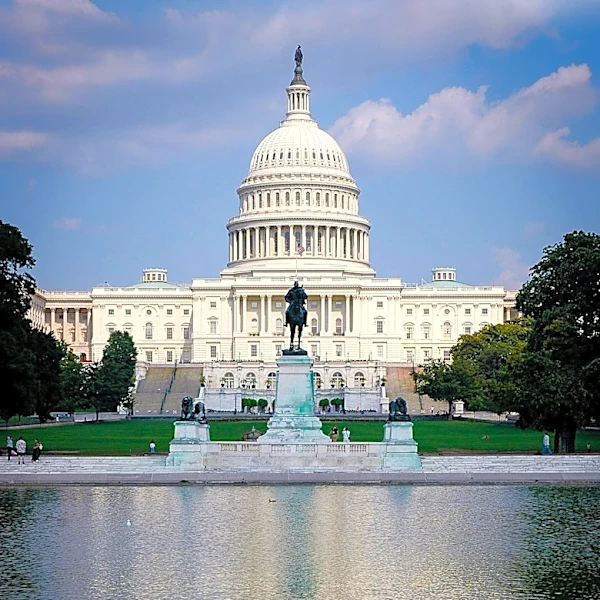
The debate over 'Medicare for All' versus alternative universal coverage models is likely to continue as healthcare remains a central issue in U.S. politics. The Medicare for All Act of 2025 is still before Congress, indicating ongoing legislative efforts to reform the healthcare system. Proponents of 'Medicare for All' will need to address concerns about cost control and the potential for increased demand without sufficient mechanisms to manage it. Conversely, advocates for a 'single safety net' system will push for policies that integrate basic public coverage with private options. The future of U.S. healthcare reform will depend on legislative action, public opinion, and the ability of policymakers to find a balance between comprehensive coverage, affordability, and efficiency.
Beyond the Headlines
The discussion around 'Medicare for All' touches upon fundamental questions about the role of government in healthcare, individual choice, and economic sustainability. Dr. Garson's comparison to the education system, where public and private options coexist, suggests a philosophical approach to healthcare provision. The challenge lies in designing a system that ensures access to necessary care for all citizens without creating an unmanageable financial burden or stifling innovation. The experiences of other developed countries with universal healthcare systems, which often involve a mix of public and private elements, offer valuable lessons. The long-term implications of any major healthcare reform will extend beyond immediate costs, affecting medical innovation, the healthcare workforce, and the overall economic well-being of the nation.