

What's Happening?
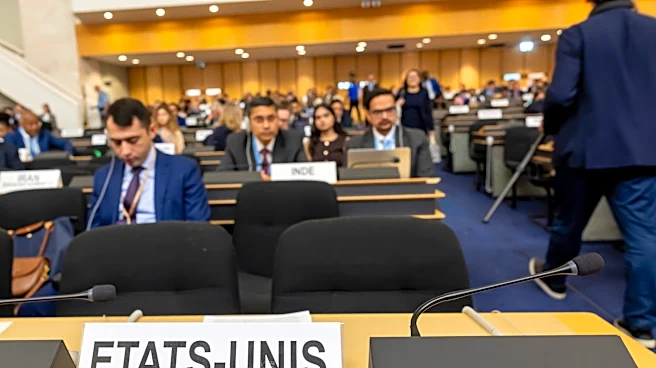
Amina J. Mohammed, the Deputy Secretary-General of the United Nations, delivered remarks at the 10th plenary meeting of the Fifth Committee during the 81st session of the General Assembly. The Fifth Committee is responsible for administrative and budgetary
matters of the United Nations. Deputy Secretary-General Mohammed's address likely focused on the financial health of the organization, budget proposals, resource allocation, and administrative reforms. Her participation underscores the importance of sound financial management and efficient administration for the effective functioning of the UN's various programs and initiatives. The meeting, held on November 10, 2026, is a key part of the annual budgetary cycle, where member states review and approve the UN's operational and programmatic budgets.
Why It's Important?
The Deputy Secretary-General's address to the Fifth Committee is critically important for the United States, as the U.S. is the largest financial contributor to the United Nations. Decisions made within this committee directly impact the U.S. taxpayer through assessed contributions to the UN budget. Discussions on budget proposals, administrative efficiency, and resource allocation are closely scrutinized by U.S. policymakers to ensure accountability and effective use of funds. Any reforms or budgetary adjustments proposed by the Deputy Secretary-General could have significant implications for the U.S.'s financial obligations and its broader foreign policy objectives within the UN system. The U.S. often advocates for fiscal responsibility and transparency in UN operations, making these meetings a crucial forum for advancing those priorities.
What's Next?
Following Deputy Secretary-General Mohammed's remarks, the Fifth Committee will continue its detailed review of the proposed budget and administrative reports. Member states will engage in extensive negotiations to finalize the UN's budget for the upcoming period. These negotiations often involve complex discussions on funding priorities, cost-saving measures, and the allocation of resources across various UN entities. The committee's recommendations will then be forwarded to the General Assembly for final approval. The outcome of these deliberations will determine the financial framework within which the UN operates, impacting its ability to address global challenges and implement its mandates. The U.S. will continue to play an active role in these negotiations, advocating for its budgetary and administrative preferences.
Beyond the Headlines
Beyond the immediate budgetary concerns, the Deputy Secretary-General's engagement with the Fifth Committee highlights the ongoing challenges of multilateral financing and the delicate balance between member state contributions and organizational needs. The discussions often reflect broader debates about the UN's effectiveness, its reform agenda, and the political will of member states to adequately fund its operations. The U.S.'s stance on UN funding can influence other member states and shape the overall financial health of the organization. These budgetary processes are not merely administrative; they are deeply political, reflecting the priorities and power dynamics within the international system. The long-term implications include the UN's capacity to respond to crises, promote sustainable development, and maintain international peace and security, all of which have indirect but significant impacts on U.S. interests.