






What's Happening?
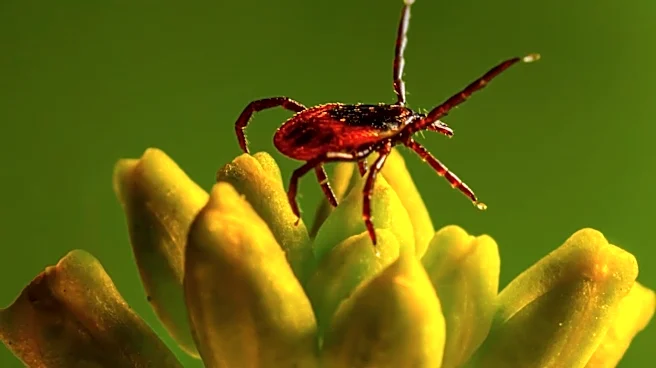
Experts emphasize the importance of preventing tick infestations in residential areas to reduce the risk of tick-borne diseases. Ticks, which can transmit diseases like Lyme disease and anaplasmosis, are often found in grassy and brushy areas. Preventive
measures include maintaining short grass, removing brush and wood piles, and using targeted insecticide treatments. Homeowners are advised to discourage wildlife, such as deer and rodents, which can carry ticks into yards. Personal protection, such as wearing repellent and performing regular tick checks, is also recommended to minimize exposure.
Why It's Important?
With the rise in tick-borne illnesses, effective yard management is crucial for public health. By reducing tick habitats, communities can lower the incidence of diseases that can have serious health implications. This approach not only protects individual households but also contributes to broader public health efforts to control tick populations. The economic impact of tick-borne diseases, including healthcare costs and lost productivity, underscores the need for preventive strategies at both the individual and community levels.
What's Next?
As awareness of tick-borne diseases grows, more homeowners may adopt recommended practices to manage tick populations. Local governments and health organizations might increase educational outreach to promote these strategies. Research into more effective and environmentally friendly tick control methods could also advance, potentially leading to new products and technologies for residential use. Collaboration between public health officials and communities will be key to implementing successful prevention programs.