








What's Happening?
The Government of Cameroon, in partnership with the World Bank Group, has launched the Cameroon AgriConnect Compact. This initiative aims to transform the country's food sector, create jobs, and enhance food security for millions of Cameroonians. The AgriConnect Compact will
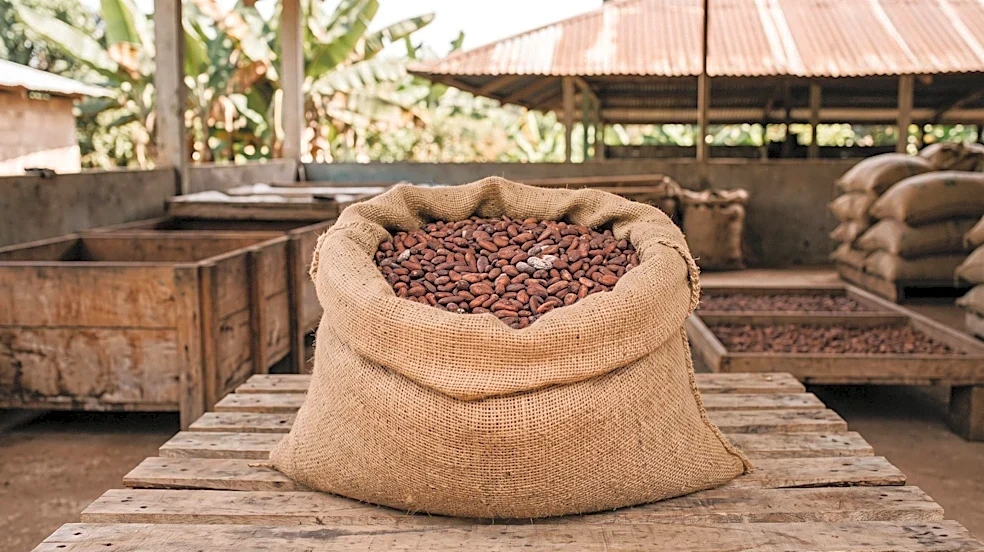
focus on eight key value chains: maize, rice, cassava, oil palm, cocoa, soybeans, dairy, and fisheries and aquaculture. The strategy involves investing in agricultural infrastructure and services, strengthening sector policies, and expanding access to finance. This comprehensive approach is designed to attract private investment, boost productivity, generate employment, and reduce Cameroon's reliance on food imports. The Compact aligns with Cameroon’s National Development Strategy (NDS30), Rural Sector Development Strategy (RSDS/NAIP 2020–2030), and Integrated Agricultural and Fisheries Import Substitution Program (PIISAH).
Why It's Important?
Cameroon's food sector is a significant contributor to its economy, accounting for approximately 17% of the GDP and employing about 4.7 million people, or 42% of the workforce, predominantly in smallholder farms. Agriculture also generates over half of the country's non-oil export earnings. The AgriConnect Compact is crucial for Cameroon's economic stability and growth, as it seeks to modernize and strengthen this vital sector. By improving agricultural productivity and reducing import dependence, the initiative can lead to greater food sovereignty and economic resilience. The creation of jobs, particularly in rural areas, will address unemployment and poverty, while increased private investment can stimulate broader economic development. The involvement of the World Bank Group and other partners underscores the international recognition of the importance of this sector for Cameroon's future.
What's Next?
The AgriConnect Compact will proceed with its implementation phase, focusing on the identified priority value chains. This will involve the deployment of investments in agricultural infrastructure and services, alongside the execution of strengthened sector policies. Efforts will also be directed towards expanding access to finance for farmers and agricultural businesses. The success of the Compact will depend on the coordinated efforts of the Government of Cameroon, the World Bank Group, and other technical and financial partners, including the African Development Bank (AfDB), the European Union (EU), the French Development Agency (AFD), the International Fund for Agricultural Development (IFAD), and the Japan International Cooperation Agency (JICA), as well as producer organizations and the private sector. Regular monitoring and evaluation will be essential to ensure the initiative meets its objectives of job creation, increased productivity, and enhanced food security.
Beyond the Headlines
The launch of the AgriConnect Compact highlights a broader global trend towards strengthening food systems and promoting sustainable agricultural development in developing nations. This initiative not only addresses immediate economic and food security concerns in Cameroon but also sets a precedent for integrated development strategies that combine public-private partnerships with international support. The focus on specific value chains suggests a strategic approach to maximize impact and create competitive advantages in key agricultural products. Furthermore, by reducing reliance on food imports, Cameroon can enhance its national security and reduce vulnerability to global market fluctuations. The long-term success of such programs can serve as a model for other African nations facing similar challenges in their agricultural sectors.