








What's Happening?
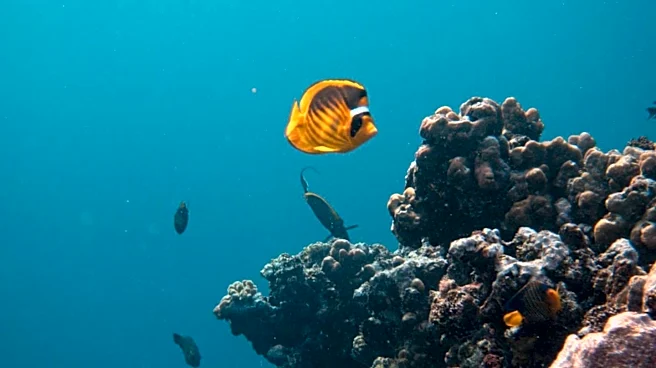
A report highlights the ongoing threat to UK marine ecosystems from bottom trawling, a fishing method that drags weighted nets across the seabed, causing significant habitat damage. Despite being designated as protected areas, many UK marine protected areas (MPAs)
still allow bottom trawling, which affects species like sandeels, crucial for marine mammals and seabirds. The report by Oceana UK calls for a complete ban on bottom trawling in these areas to meet the UK's commitment to protect 30% of the ocean by 2030. Concurrently, the UK is experiencing marine heatwaves, with sea temperatures potentially reaching 4°C to 5°C above average, further stressing marine ecosystems.
Why It's Important?
The combination of bottom trawling and marine heatwaves poses a dual threat to marine biodiversity and fisheries. The damage to habitats like seagrass meadows and kelp forests could disrupt marine food chains, affecting both environmental and economic stability. Healthier seas are vital for resilient fisheries, which are economically significant for coastal communities. The failure to fully protect MPAs undermines conservation efforts and could lead to long-term ecological and economic consequences. The situation underscores the need for stronger environmental policies to safeguard marine ecosystems against climate change and unsustainable fishing practices.
What's Next?
Oceana UK is advocating for stronger protections against bottom trawling in MPAs. The UK government has proposed some restrictions, but a complete ban is not yet planned. As marine heatwaves continue, scientists warn of potential long-term impacts on marine biodiversity. The government faces pressure to enhance conservation measures to meet international commitments and protect marine life. The ongoing debate may lead to policy changes, with potential implications for the fishing industry and environmental regulations.