

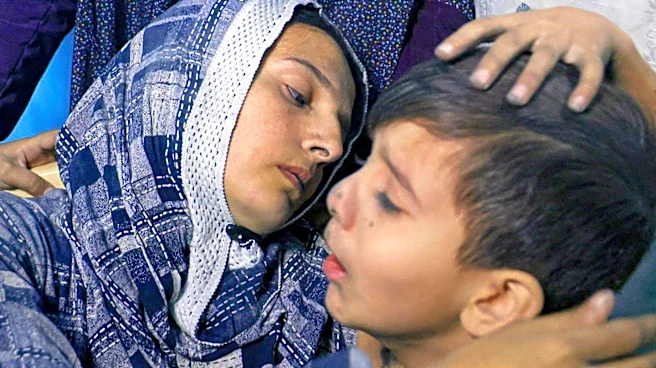

What's Happening?
The Palestinian Journalists' Union has reported that approximately 40 journalists in the Gaza Strip are in urgent need of medical evacuation and treatment abroad. These journalists are suffering from severe injuries, chronic illnesses, and conditions
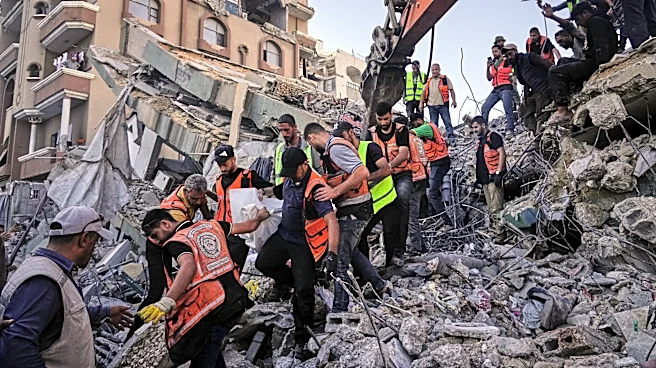
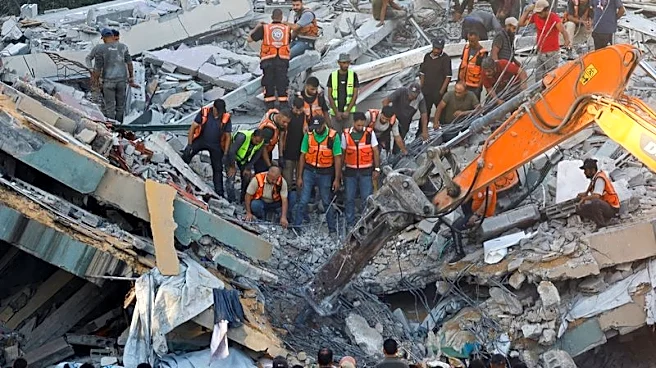
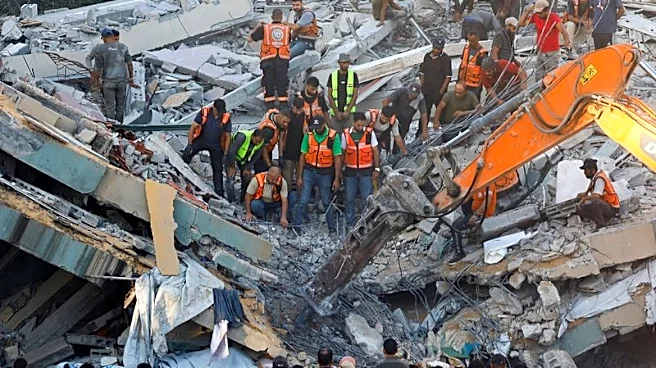
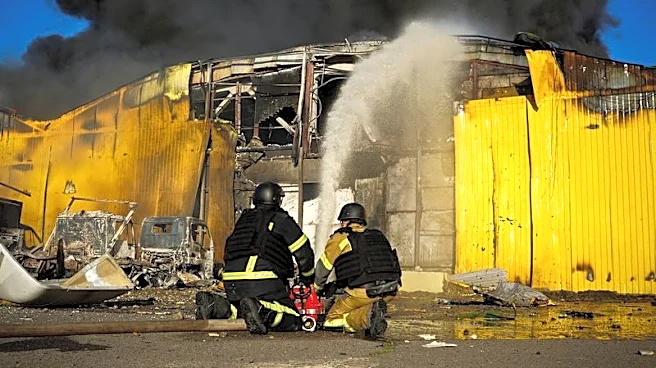
requiring specialized surgery and rehabilitation that are currently unavailable within Gaza. The region faces critical shortages of medicines and medical supplies, compounded by restrictions on patient movement. The Union highlighted that delays in receiving appropriate medical care could lead to worsening conditions or permanent disabilities for these individuals. This situation is occurring amidst ongoing conflict, bombardment, widespread displacement, a deteriorating humanitarian crisis, and the collapse of significant portions of the healthcare system in Gaza.
Why It's Important?
The urgent call for medical evacuation underscores the severe humanitarian crisis impacting professionals in conflict zones, particularly journalists who play a crucial role in reporting on events. The lack of adequate medical facilities and supplies in Gaza, coupled with restrictions on movement, creates a life-threatening environment for those with serious health conditions. This situation highlights the broader challenges faced by civilians in the region, where basic healthcare infrastructure is compromised. The international community, including organizations like the WHO, ICRC, and UN agencies, is being urged to intervene, emphasizing the global responsibility to protect and provide aid to individuals, especially those working in high-risk environments. The inability to provide essential medical care not only endangers lives but also impedes the flow of information from a critical conflict zone.
What's Next?
The Palestinian Journalists' Union is urging international organizations, including the World Health Organization (WHO), the International Committee of the Red Cross (ICRC), various UN agencies, and international press organizations, to expedite medical evacuations. The immediate next steps involve ensuring safe passage for these journalists, providing necessary treatment, and facilitating their rehabilitation. The Union is pushing for the establishment of a practical mechanism to handle the evacuation, treatment, follow-up, and rehabilitation of sick and injured journalists. Without swift action from these international bodies, the conditions of the affected journalists are expected to deteriorate further, potentially leading to permanent disabilities or fatalities. The focus will be on diplomatic efforts and humanitarian aid coordination to address this critical medical emergency.
Beyond the Headlines
This situation extends beyond immediate medical needs, touching upon the ethical responsibilities of international bodies and the broader implications for press freedom in conflict zones. Journalists, by their very nature, are often on the front lines, documenting events that are crucial for global understanding. When their safety and health are compromised to this extent, it not only endangers their lives but also creates a chilling effect on reporting, potentially leading to information vacuums. The call for medical evacuation highlights the systemic failures in protecting non-combatants and essential workers during conflicts. It also raises questions about the long-term psychological and physical toll on journalists operating in such environments, and the need for robust international frameworks to ensure their protection and access to care, irrespective of political complexities.