








What's Happening?
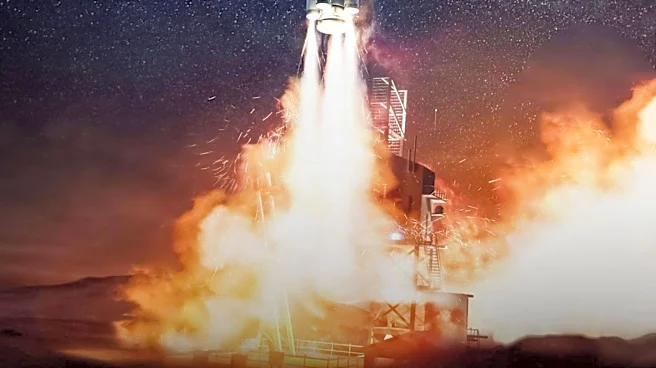
During a NATO summit in Turkey, President Trump announced a potential agreement allowing Ukraine to manufacture Patriot missile interceptors. This development comes as Ukraine faces a critical shortage of these missiles, which are essential for defending
against Russian ballistic missile attacks. The announcement surprised many, including Ukrainian President Volodymyr Zelensky, as the two leaders have had a rocky relationship. While the promise offers hope for bolstering Ukraine's defense capabilities, Trump admitted that discussions with U.S. manufacturers Lockheed Martin and Raytheon have not yet occurred. The shortage of Patriots has resulted in significant casualties in Ukraine, highlighting the urgency of the situation.
Why It's Important?
The potential production of Patriot missiles in Ukraine could significantly enhance its defense against Russian missile attacks, potentially saving lives and stabilizing the region. However, the timeline for production remains uncertain, and immediate needs may not be met. The announcement also reflects the complex geopolitical dynamics involving the U.S., Ukraine, and Russia. Russia's response to this development could influence the broader conflict and international relations. The situation underscores the strategic importance of missile defense systems and the challenges of maintaining adequate supplies amid ongoing conflicts.
What's Next?
If the agreement proceeds, Ukraine will need to establish production facilities and secure necessary licenses, which could take months. In the interim, Ukraine is seeking missile supplies from other countries to address immediate defense needs. The international community, particularly NATO allies, may play a role in facilitating or supporting these efforts. Russia's reaction to the potential increase in Ukraine's defense capabilities will be closely watched, as it could impact the conflict's trajectory and diplomatic efforts. The situation remains fluid, with potential implications for regional security and international relations.