






What's Happening?
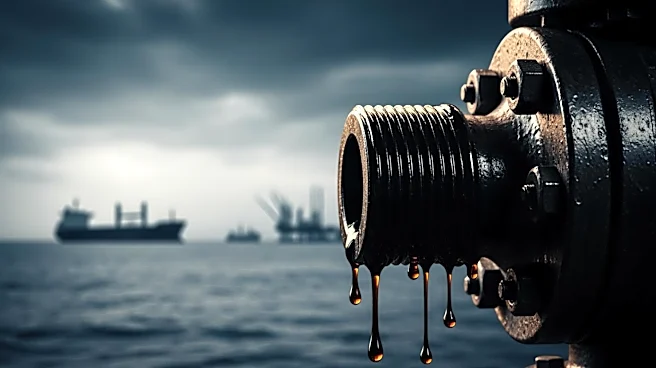
OPEC's crude oil production has fallen to its lowest level in 36 years, with output declining by 420,000 barrels per day to 20.55 million barrels per day in April. This decrease is primarily due to the ongoing conflict in Iran, which has severely disrupted
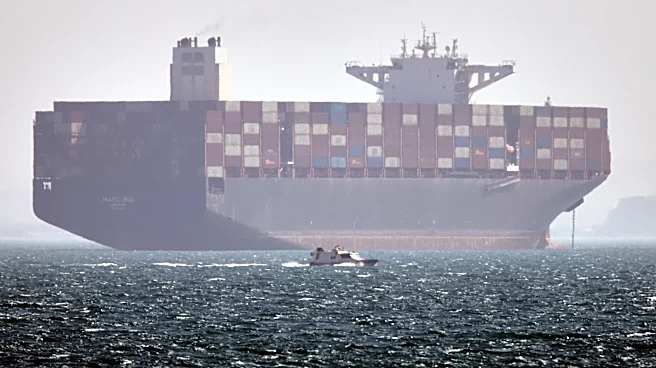
exports from the Persian Gulf. The closure of the Strait of Hormuz has led to the largest oil-market disruption in history, significantly impacting global oil supply. The situation has caused a surge in the prices of jet fuel, diesel, and gasoline, raising concerns about inflation and the potential for a global recession. The United Arab Emirates' recent decision to leave OPEC further complicates the situation, as the organization faces internal challenges and external pressures.
Why It's Important?
The decline in OPEC's oil production has far-reaching implications for global energy markets and economies. The disruption in the Persian Gulf, a critical region for oil exports, highlights the vulnerability of global supply chains to geopolitical conflicts. The resulting increase in fuel prices could exacerbate inflationary pressures worldwide, affecting both consumers and businesses. Additionally, the potential for a global recession looms as energy costs rise and economic growth slows. The situation underscores the importance of energy security and the need for diversified energy sources to mitigate the impact of such disruptions.
What's Next?
As the conflict in Iran continues, the prospects for a diplomatic resolution remain uncertain. OPEC and its allies may need to reassess their production strategies to stabilize the market and address the supply shortfall. The departure of the UAE from OPEC could lead to further shifts in the organization's dynamics and influence. Meanwhile, global stakeholders, including governments and energy companies, will likely explore alternative energy sources and strategies to enhance energy security and reduce reliance on volatile regions.