


What's Happening?
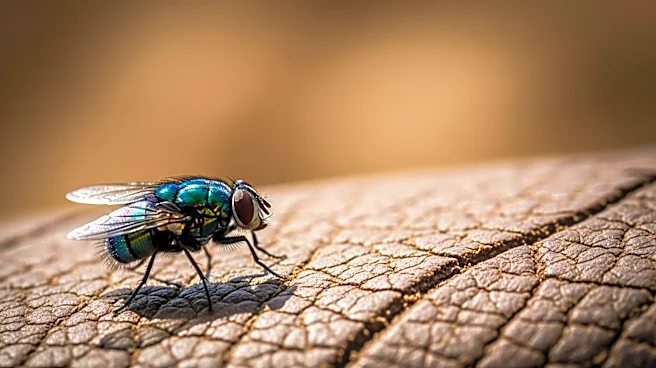
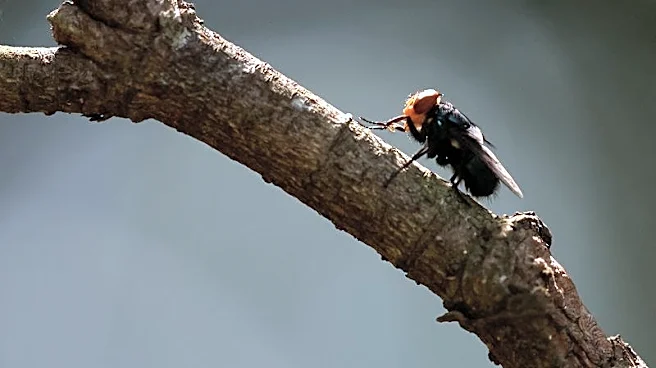
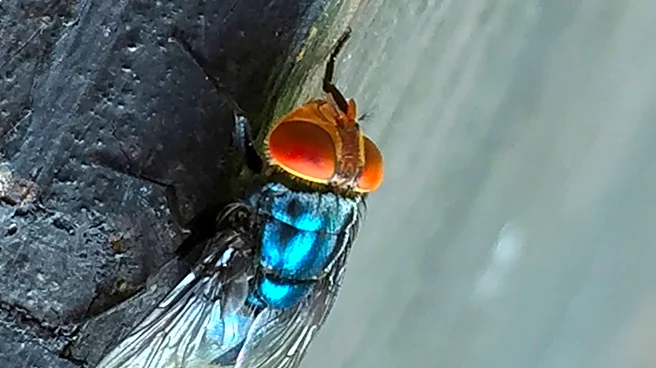
The New World screwworm has been detected in the U.S. for the first time in six decades, posing a new threat to the American cattle industry. The U.S. Department of Agriculture confirmed the presence of the parasite in a calf in La Pryor, Texas. This
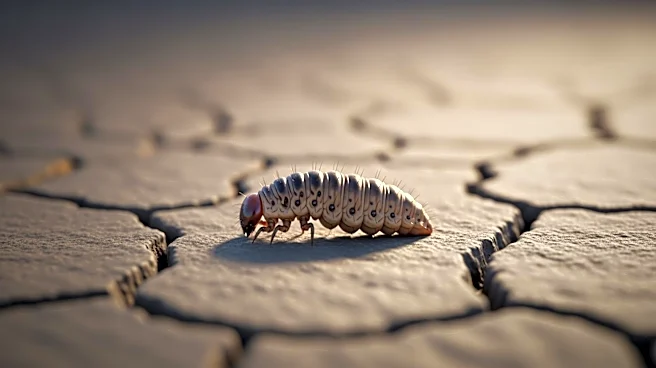
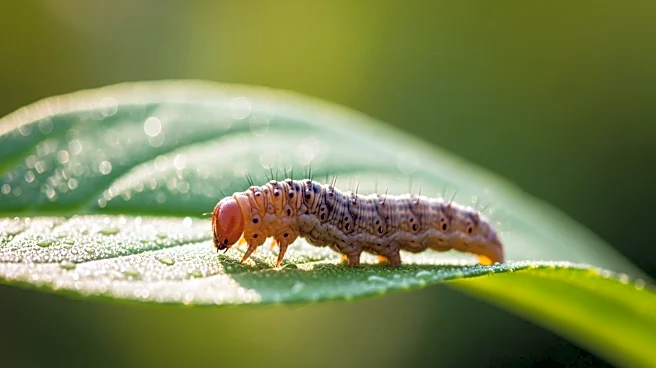
development adds to the challenges faced by cattle producers, who are already dealing with trade disputes, low herd sizes, and policy impacts from the Trump administration. The screwworm's larvae consume live flesh, affecting livestock and potentially humans. Texas has imposed a quarantine zone to control the spread, and there are calls for President Trump to declare a national emergency.
Why It's Important?
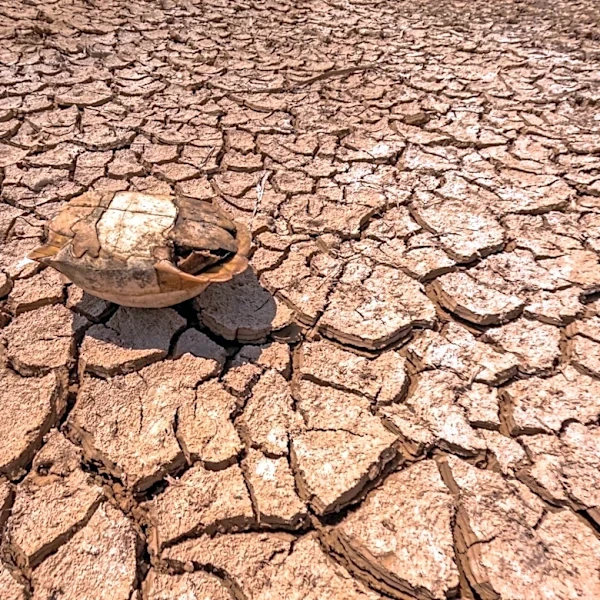
The re-emergence of the screwworm could have severe economic impacts on the U.S. cattle industry, which is already under pressure from various factors including drought and market disruptions. The pest's presence could lead to increased costs for cattle producers and potentially higher beef prices for consumers. The situation underscores the need for effective pest control measures and highlights vulnerabilities in the current agricultural system. The response to this threat will test the resilience of the industry and the effectiveness of government interventions in agricultural crises.
What's Next?
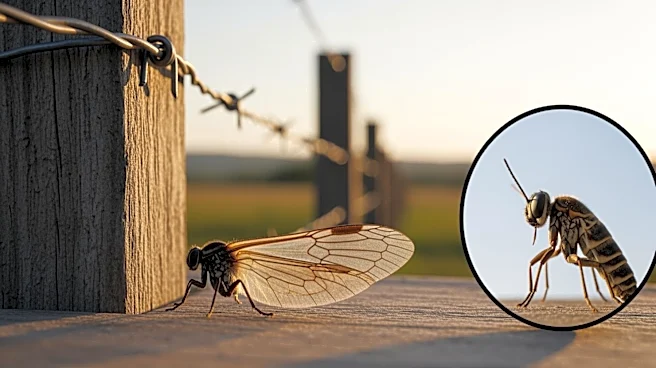
The USDA is deploying measures to contain the screwworm, including releasing sterile flies to curb the population. There are also calls for the deployment of the Screwworm Adult Suppression System. The situation requires coordinated efforts between federal and state agencies to prevent the pest from establishing itself in the U.S. The outcome will depend on the effectiveness of these measures and the ability of the industry to adapt to the new threat. Ongoing monitoring and adjustments to containment strategies will be crucial in managing the situation.