



What's Happening?
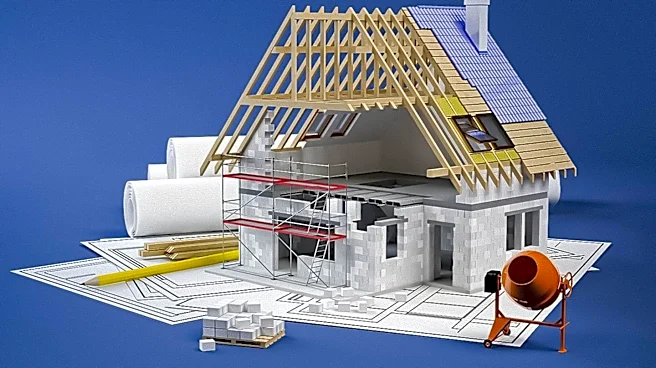
St. Petersburg, Florida, is pioneering the use of 3D printing technology in home construction as part of its affordable housing initiative. The city has partnered with Bright Community Trust to build a 3D-printed home using a robotic arm that layers liquid
cement. This method is expected to cut construction time significantly, potentially reducing a two-week process to just a couple of days. The city leases vacant lots to developers at a low cost, who then sell the homes to buyers earning up to 120% of the area median income. Despite the enthusiasm, there are concerns about the technology's limitations, such as its inability to handle plumbing, electrical work, and other essential construction tasks. Skeptics also point to past failed projects and the environmental impact of using concrete, a carbon-heavy material.
Why It's Important?
The initiative represents a significant step in addressing affordable housing shortages in urban areas. By potentially reducing construction time and costs, 3D printing could make homeownership more accessible to middle-income families. However, the technology's limitations and environmental impact raise questions about its long-term viability. The success or failure of this project could influence future housing policies and the adoption of innovative construction technologies across the U.S. If successful, it could lead to broader acceptance and implementation of 3D printing in the construction industry, potentially transforming how homes are built.
What's Next?
St. Petersburg aims to construct 150 single-family homes on city-owned land using this technology. The project's progress will be closely monitored by both supporters and skeptics. The city and developers will need to address regulatory hurdles and ensure that the homes meet state building codes. The outcome of this initiative could impact future urban planning and housing strategies, especially in cities facing similar housing challenges.