








What's Happening?
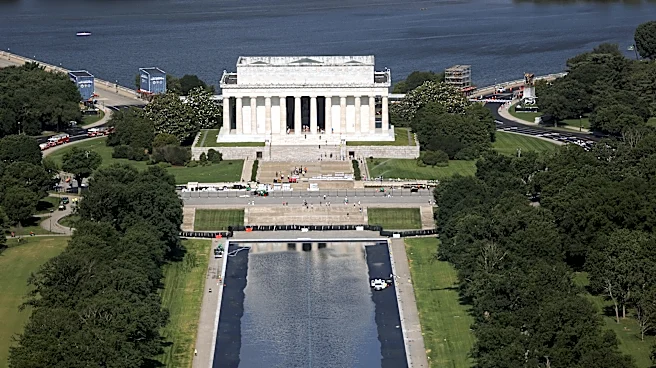
David Hearn, a former Olympic canoeist, has been indicted by a grand jury in Washington, DC, for allegedly damaging the Reflecting Pool. The incident occurred last month when Hearn reportedly reached into the pool, leading to his arrest. His attorney
has declared Hearn's innocence, criticizing the charges as an attempt by the administration to deflect from its own shortcomings. The case has sparked debate over the administration's handling of public spaces and the legal implications of such actions.
Why It's Important?
This case highlights the tensions between individual actions and public property regulations. The indictment of a public figure like Hearn brings attention to the enforcement of laws governing national landmarks. It also raises questions about the administration's priorities and its approach to managing public spaces. The legal proceedings could set a precedent for how similar cases are handled in the future, impacting public policy and individual freedoms.
What's Next?
As the case progresses, it will likely attract media attention and public scrutiny. The outcome could influence future legal interpretations of actions involving public property. Hearn's defense may challenge the charges, potentially leading to broader discussions about the administration's policies and their impact on civil liberties. The case may also prompt a review of security and maintenance protocols for national landmarks.
Beyond the Headlines
The incident reflects broader societal issues regarding the balance between security and personal freedom. It underscores the challenges of maintaining public spaces in a way that respects both historical significance and contemporary use. The case may also contribute to ongoing debates about the role of government in regulating individual behavior in public areas.