






What's Happening?
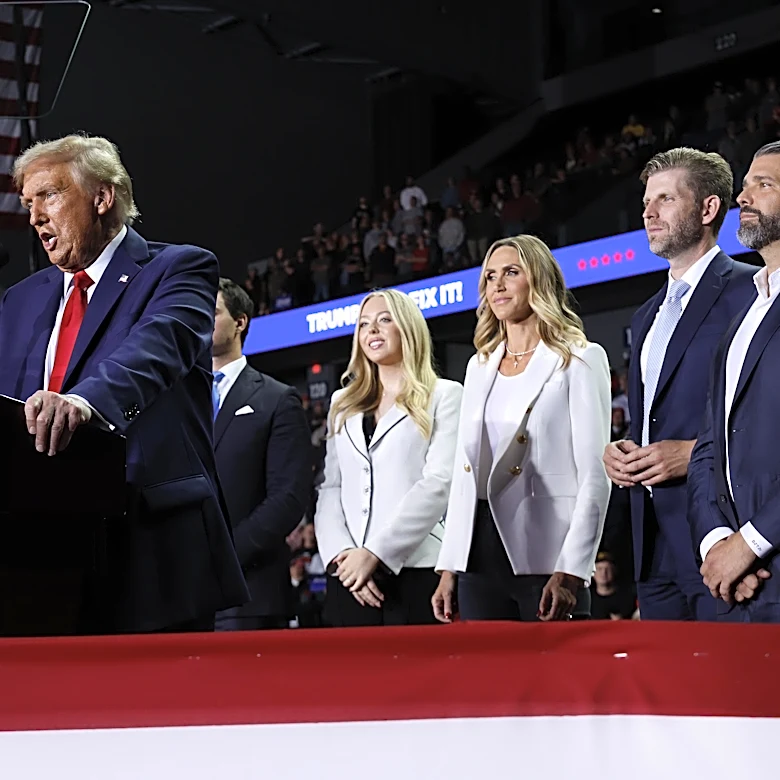
President Donald Trump and Republican leaders are intensifying their rhetoric against Democrats by labeling them as communists in the lead-up to the midterm elections. This strategy involves equating democratic socialism, which advocates for policies
like universal healthcare and higher taxes on the wealthy, with communism, which traditionally involves the elimination of private ownership. The GOP's focus on this narrative has been amplified following recent victories by democratic socialists in New York City congressional primaries. The Republican Party, facing challenges in maintaining its congressional majorities, is using this approach to shift the political conversation away from issues like the economic fallout from Trump's military actions in Iran. The strategy aims to appeal to voters by contrasting 'common sense' with what they describe as 'extreme liberalism.'
Why It's Important?
This development is significant as it highlights the deepening ideological divide in U.S. politics, with Republicans attempting to capitalize on fears of socialism to galvanize their base. The strategy reflects broader concerns about the direction of the Democratic Party, which is experiencing internal tensions between centrist and progressive factions. The GOP's focus on communism may resonate with older voters who have historical associations with the term, but it risks alienating younger voters who are more open to socialist ideas. This approach also underscores the Republican Party's efforts to regain control of the political narrative amid economic challenges and public dissatisfaction with capitalism.
What's Next?
As the midterm elections approach, the Republican Party is likely to continue emphasizing this narrative to consolidate support among its base. However, the effectiveness of this strategy will depend on its ability to resonate with a diverse electorate, including younger voters who may not share the same historical associations with communism. Democrats, on the other hand, will need to navigate internal divisions and present a unified front to counter these attacks. The outcome of the midterms could significantly influence the future direction of both parties and the broader political landscape in the U.S.
Beyond the Headlines
The revival of anti-communist rhetoric by President Trump and the GOP may have deeper implications for American political culture. It reflects a return to Cold War-era tactics that could further polarize the electorate and complicate efforts to address pressing issues like income inequality and healthcare reform. This strategy also raises questions about the role of historical narratives in shaping contemporary political discourse and the potential for such rhetoric to distract from substantive policy debates.