


What's Happening?
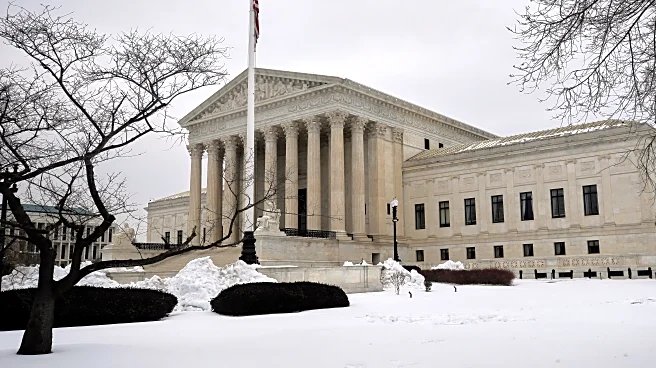
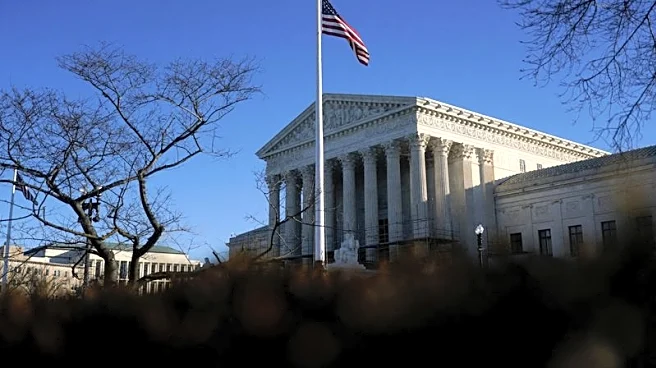
The U.S. Supreme Court is set to hear cases related to the Helms-Burton Act, which allows U.S. nationals to seek compensation for property confiscated by Cuba's communist government. The cases involve major entities like ExxonMobil and several cruise
lines, focusing on the legal interpretation of Title III of the Act. This provision permits lawsuits against entities trafficking in confiscated property. President Trump lifted the suspension of Title III, leading to numerous lawsuits. The Supreme Court's decision could redefine the legal landscape for claims against Cuban entities and multinational companies.
Why It's Important?
The Supreme Court's ruling on these cases could have significant implications for U.S.-Cuba relations and international business practices. If the court favors the claimants, it could open the door for more lawsuits, potentially affecting billions of dollars in claims. This could strain diplomatic relations with countries whose companies operate in Cuba. The decision will also impact U.S. businesses seeking compensation for nationalized properties, influencing future foreign investment strategies.
What's Next?
The Supreme Court's decision will set a precedent for how Title III of the Helms-Burton Act is applied, potentially leading to more legal challenges. The ruling could affect diplomatic relations, especially with countries like Canada and Spain, whose companies have investments in Cuba. Businesses involved in the lawsuits will need to prepare for the financial and legal implications of the court's decision.