



What's Happening?
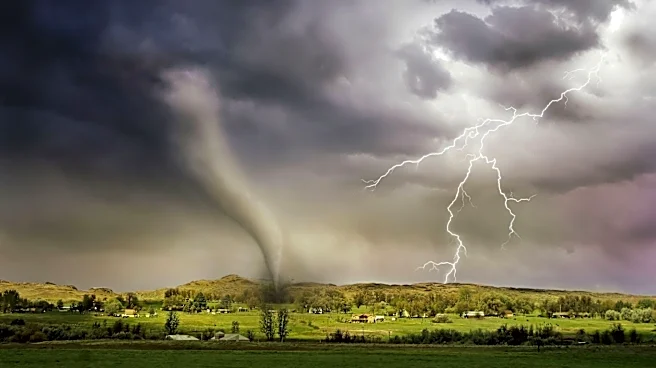
A software glitch caused a significant communications outage at the National Weather Service (NWS) during severe thunderstorms in the Midwest and Ohio Valley. The outage delayed the dissemination of critical weather warnings, including severe thunderstorm,
flash flood, and tornado alerts, except via NOAA Weather Radio. The issue, lasting over an hour, was linked to a software upgrade on the main computer system used for monitoring weather conditions. The NWS is working to update its antiquated telecommunications infrastructure to prevent future occurrences.
Why It's Important?
The outage highlights the vulnerabilities in the NWS's IT infrastructure, which can have serious implications for public safety during severe weather events. Delayed warnings can reduce the time available for individuals and communities to take protective actions, potentially increasing the risk of injury or death. The incident underscores the importance of modernizing critical infrastructure to ensure timely and reliable dissemination of weather alerts. It also emphasizes the need for multiple channels of communication to ensure that warnings reach the public promptly.
What's Next?
The NWS is investigating the root cause of the outage to prevent future occurrences and is working on transitioning to a new cloud-based architecture by 2028. In the meantime, the agency advises the public to have multiple ways of receiving weather warnings. The situation may prompt increased scrutiny and investment in upgrading the NWS's IT infrastructure to enhance its reliability and effectiveness. Stakeholders, including government agencies and emergency management organizations, may collaborate to improve communication strategies and ensure robust emergency preparedness.