



What's Happening?
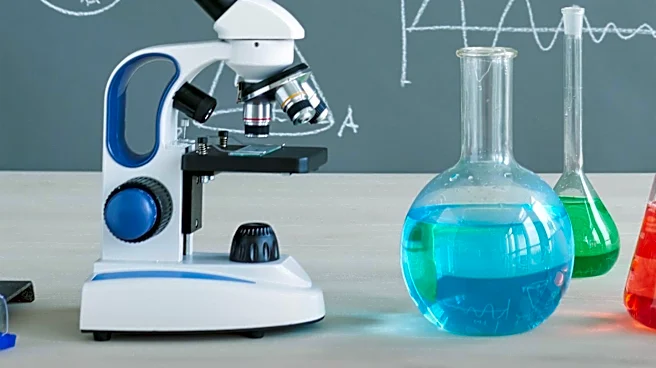
Professor Kevin E. Johnson of Pacific University's Chemistry Department is spearheading an ongoing research project focused on developing computer models for metal-organic framework materials designed to enhance carbon dioxide capture. This initiative
is part of Pacific University's Summer Undergraduate Research Program, which provides students with paid opportunities to engage in real-world scientific applications. Chemistry majors Cai Woolsey and Leo Bala spent ten weeks working with Professor Johnson, writing code to build these computer models. The program aims to bridge classroom theory with practical research, addressing global challenges such as climate change. Pacific University, recognized as a Carnegie-designated Research College & University and the top-ranked private research university in the Pacific Northwest by the National Science Foundation for the past six years, emphasizes the development of career-ready students through these research experiences. Professor Johnson views the motivation behind this research not just in its outcomes but in promoting human potential and preparing students to contribute to their chosen fields.
Why It's Important?
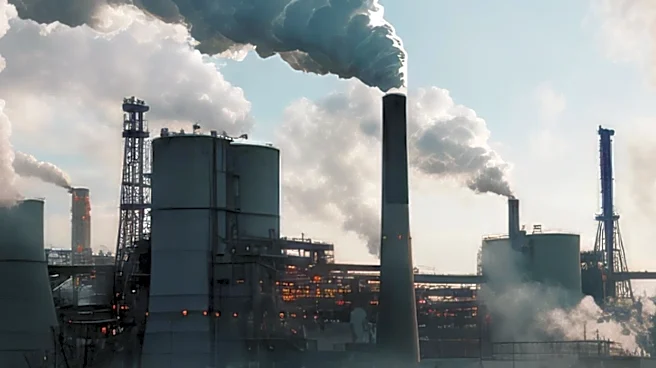
This research is important because it directly addresses the critical global issue of climate change by focusing on advanced carbon dioxide capture technologies. Metal-organic framework materials have the potential to significantly improve the efficiency of removing CO2 from the atmosphere, which is crucial for mitigating global warming and its associated environmental impacts. The involvement of undergraduate students in such high-level research provides invaluable hands-on experience, fostering the next generation of scientists and innovators. This approach not only contributes to scientific advancements but also strengthens the U.S. scientific workforce, ensuring a pipeline of skilled professionals capable of tackling complex environmental challenges. Furthermore, the program's emphasis on practical application and career readiness enhances the competitiveness of U.S. graduates in STEM fields, benefiting both academic institutions and industries seeking innovative solutions for sustainability.
What's Next?
The ongoing research by Professor Johnson and his students will likely continue to refine the computer models for metal-organic framework materials, potentially leading to the identification of more effective designs for carbon capture. Leo Bala is pursuing this project as his senior capstone, indicating further dedicated effort and potential for significant findings. Future steps may involve experimental validation of the most promising models, translating theoretical advancements into practical applications. The success of this research could attract additional funding and collaborations, accelerating the development and deployment of these technologies. Continued participation of undergraduate students will ensure sustained progress and knowledge transfer, contributing to long-term solutions for climate change and enhancing the U.S.'s leadership in environmental science and technology.
Beyond the Headlines
Beyond the immediate goal of carbon capture, this research highlights the broader societal value of investing in scientific education and undergraduate research. By engaging students in projects that address pressing global issues, universities like Pacific are cultivating a sense of responsibility and purpose among future leaders. This model of integrating research with education can inspire more students to pursue STEM careers, particularly in environmental science, which is vital for sustainable development. The ethical implications of climate change and the urgent need for technological solutions underscore the importance of such initiatives. Moreover, the development of advanced materials for carbon capture could have significant economic implications, potentially creating new industries and job opportunities in the green economy sector, thereby contributing to long-term economic stability and environmental stewardship in the U.S.