



What's Happening?
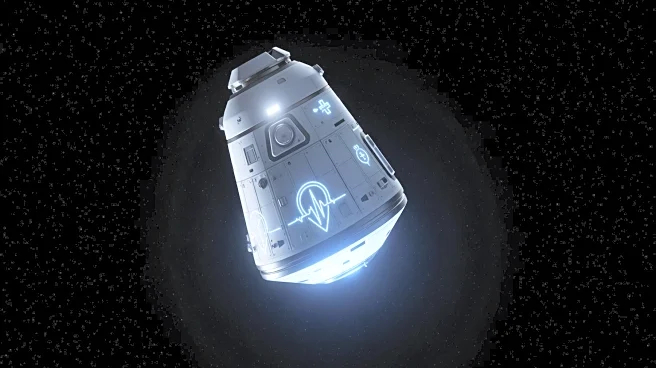
Former astronaut and International Space Station (ISS) commander Leroy Chiao discussed NASA's unprecedented decision to return a crew from the ISS early due to a medical issue. This marks the first time in the 25-year history of the ISS that a crew has
been sent back to Earth for medical reasons. Chiao explained that while astronauts are trained to manage medical situations in space, the decision indicates a need for a comprehensive evaluation on Earth. He emphasized that the condition was likely stabilized and not infectious, suggesting the decision was made out of caution rather than emergency. The return involves all four crew members, as they must travel back in the same spacecraft they launched in. Medical teams are prepared to assess the crew immediately upon their return.
Why It's Important?
This event underscores the complexities and risks associated with long-duration space missions. The decision to return the crew early highlights the importance of health and safety in space exploration. It also reflects NASA's commitment to ensuring the well-being of astronauts, even if it means altering mission plans. The incident may prompt a review of medical protocols and emergency procedures for future missions. The broader implications could affect how space agencies plan for and manage health-related contingencies in space, potentially influencing international collaboration and policy-making in space exploration.
What's Next?
Following the crew's return, NASA will likely conduct a thorough investigation into the medical issue to understand its cause and implications. This could lead to updates in training and medical preparedness for astronauts. The findings may also inform future mission planning and the development of new technologies or protocols to better handle medical emergencies in space. Additionally, NASA and other space agencies might collaborate to enhance medical support systems on the ISS and other space missions.