


What's Happening?
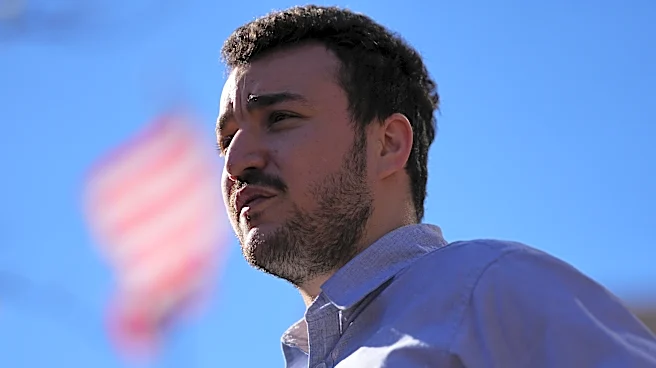
Jeff Vierstra, whose family has been severely affected by ALS, is participating in an experimental treatment aimed at preventing the onset of the disease. ALS, or Amyotrophic Lateral Sclerosis, is a neurodegenerative disease that affects motor neurons,
leading to loss of muscle control. Vierstra and his sisters tested positive for a genetic mutation linked to ALS. The experimental treatment, conducted at Columbia University's Eleanor and Lou Gehrig ALS Center, involves infusions targeting the mutated gene. While his sisters eventually succumbed to the disease, Vierstra has not developed ALS symptoms, suggesting the treatment may be effective in delaying or preventing the disease.
Why It's Important?
ALS is a devastating disease with no known cure, affecting approximately 35,000 people in the U.S. The experimental treatment offers a potential breakthrough for those with genetic forms of ALS, providing hope for extending life and improving quality of life. The research could also have broader implications for understanding and treating other neurodegenerative diseases. If successful, this approach could lead to the development of gene-based therapies for various genetic disorders, marking a significant advancement in personalized medicine.
What's Next?
The ongoing research at Columbia University aims to expand the treatment to other genetic forms of ALS. Researchers are also exploring the potential for this approach to benefit patients with non-familial forms of the disease. Continued clinical trials and studies will be crucial in determining the long-term efficacy and safety of the treatment. The insights gained from this research could eventually lead to new therapeutic strategies for a range of neurodegenerative conditions.