




What's Happening?
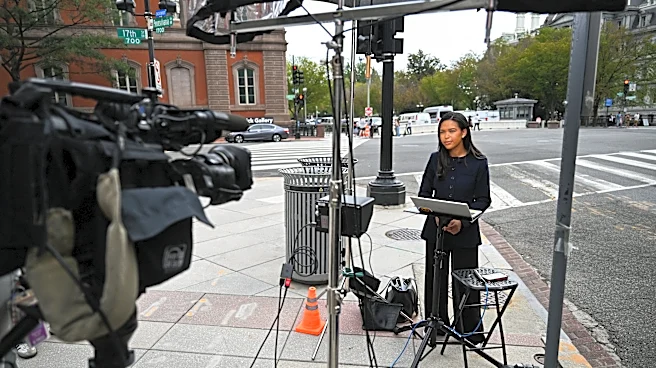
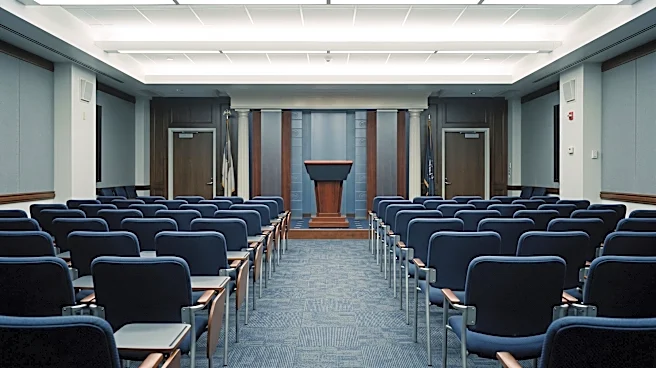
President Trump's Department of Justice (DOJ) has asserted that a nearly 50-year-old ruling, Sherrill v. Knight (1977), which protects journalists' access to White House press credentials, was "wrong" and should be overturned. In a recent court filing,
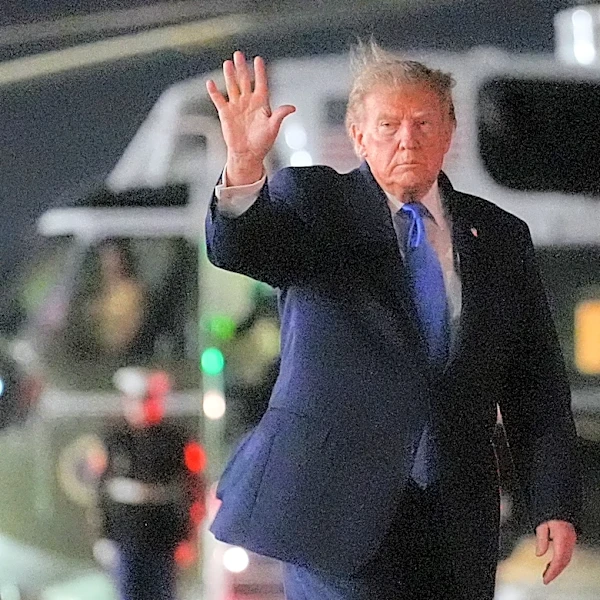
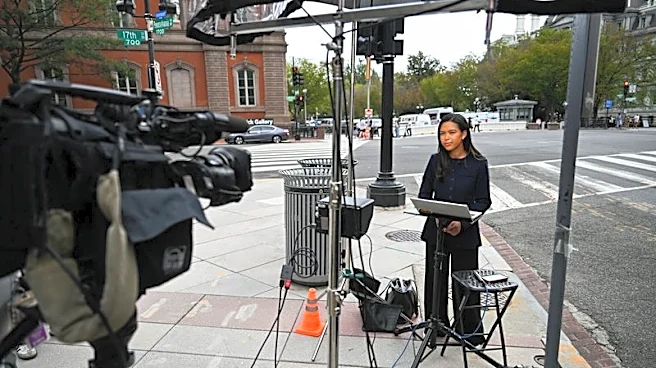
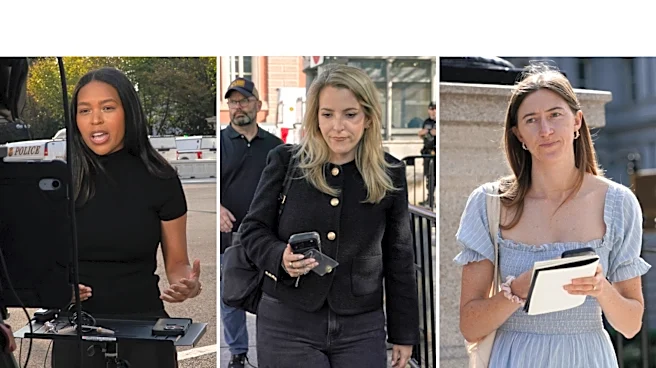
the DOJ argued against key aspects of this 1977 decision. The Sherrill v. Knight ruling established that if the White House denies a journalist a press pass, they must be provided with notice of the reason for the denial and an opportunity to respond. The Trump administration's lawyers stated, "While Defendants acknowledge Sherrill’s holding that White House reporters have protectable due process rights in their hard passes, Defendants respectfully submit that Sherill was wrongly decided and expressly reserve their right to argue this on appeal." This filing comes in response to a First Amendment lawsuit filed by CNN, MS NOW, and Politico, after President Trump banned them from the White House, accusing them of reporting "fiction and lies."
Why It's Important?
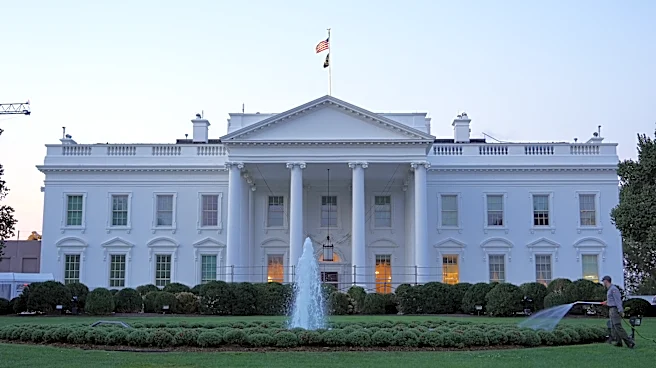
This legal challenge by the Trump administration's DOJ carries significant implications for press freedom and the relationship between the White House and the media in the U.S. Overruling Sherrill v. Knight would grant the President greater discretion in controlling access to the White House for journalists, potentially limiting the public's access to information about government operations. The precedent currently ensures a degree of due process for journalists, preventing arbitrary denials of press credentials. If the DOJ's argument prevails, it could set a new standard where the White House has more power to exclude news organizations it deems unfavorable, potentially chilling critical reporting. This move could be seen as an attempt to redefine the boundaries of press access, impacting how news is gathered and disseminated from the highest levels of government.
What's Next?
The legal battle is expected to continue, with CNN, MS NOW, and Politico seeking an emergency order to restore their access while the case proceeds. The DOJ's filing indicates their intent to challenge the Sherrill v. Knight ruling on appeal, suggesting a prolonged legal process. The outcome of this case could lead to a re-evaluation of the legal framework governing White House press credentials. Major stakeholders, including other news organizations and civil liberties groups, are likely to closely monitor and potentially intervene in this case, given its broad implications for press freedom. The courts will need to weigh the President's asserted interests in safeguarding national security and enforcing journalistic standards against the First Amendment rights of the press and the public's right to information.
Beyond the Headlines
The deeper implications of the Trump administration's stance extend to the fundamental principles of a free press in a democratic society. By arguing that White House access is a privilege rather than a right, and that the President should have greater discretion over who covers the executive branch, the DOJ is challenging long-held understandings of journalistic independence. This could lead to a more polarized media landscape, where access is granted based on perceived favorability rather than objective reporting. The ethical dimension concerns the potential for the executive branch to use credentialing as a tool to control narratives and suppress dissenting voices. This legal challenge could trigger a long-term shift in the balance of power between the presidency and the press, potentially impacting the transparency and accountability of future administrations.