






What's Happening?
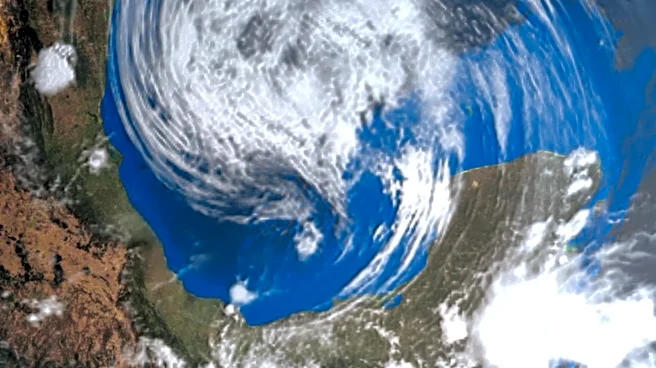
The US Climate Prediction Center reports that the current El Niño, which emerged across the Pacific last month, is likely to become one of the strongest in over 75 years. Sea surface temperatures have risen significantly, with an 81% chance of a very
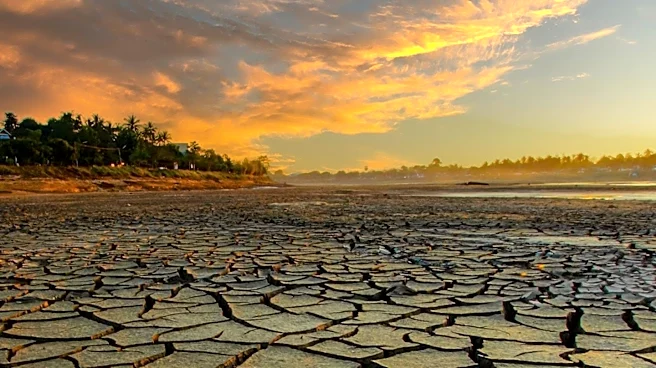
strong El Niño developing. This phenomenon is closely monitored due to its potential to cause weather extremes, including floods, droughts, and altered hurricane activity. In the US, El Niño typically brings cooler, wetter winters to the southern regions. The event is expected to strengthen through the end of the year, with a 97% chance of persisting into early spring 2027. The impact of El Niño is already being felt globally, with effects such as depleted reservoirs in India and increased pressure on power grids.
Why It's Important?
The anticipated strength of this El Niño event has significant implications for weather patterns and economic activities worldwide. In the US, the potential for cooler, wetter winters in the south could affect agriculture, energy consumption, and disaster preparedness. The disruption of tropical storm and hurricane development in the Caribbean could alter typical weather patterns, impacting insurance and risk management sectors. Globally, the effects on agriculture and energy production, as seen in India, highlight the interconnectedness of climate phenomena and economic stability. The strong El Niño underscores the need for adaptive strategies in weather-dependent industries and infrastructure planning.
What's Next?
As El Niño strengthens, stakeholders across various sectors will need to prepare for its potential impacts. In the US, this may involve adjusting agricultural practices, enhancing flood preparedness, and managing energy resources to accommodate changes in weather patterns. Globally, countries may need to address challenges in water management and energy production. Continued monitoring and forecasting will be essential to mitigate the risks associated with this powerful climate event.