




What's Happening?
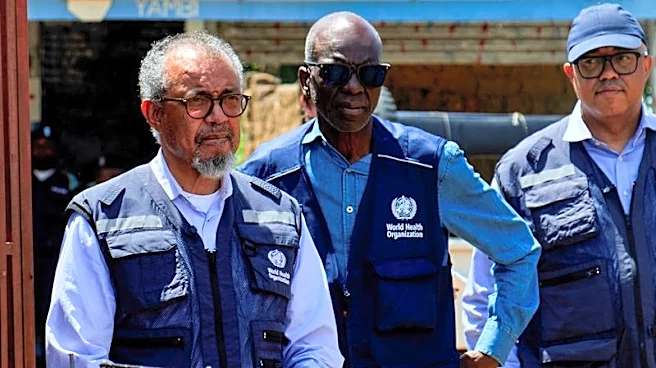
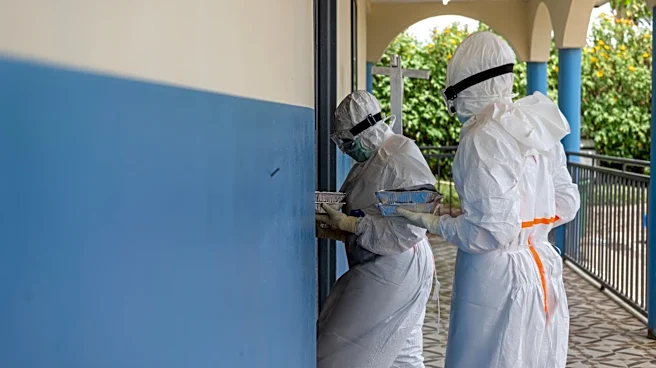
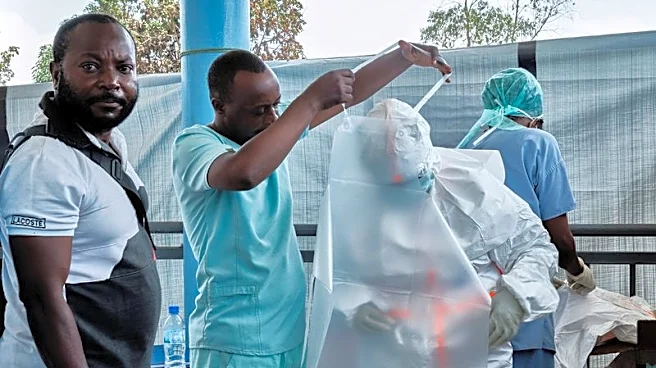
The Democratic Republic of Congo is experiencing an Ebola outbreak, with over 1,000 suspected cases and at least 220 deaths reported. The outbreak is linked to the consumption of wild meat, a common practice in the region. The virus is believed to spread
from infected animals, such as fruit bats, to humans through the handling and consumption of wild meat. Despite the health risks, wild meat remains a cultural staple in Congo and other parts of Central and West Africa. The outbreak is exacerbated by the region's ongoing armed conflicts, which complicate containment efforts.
Why It's Important?
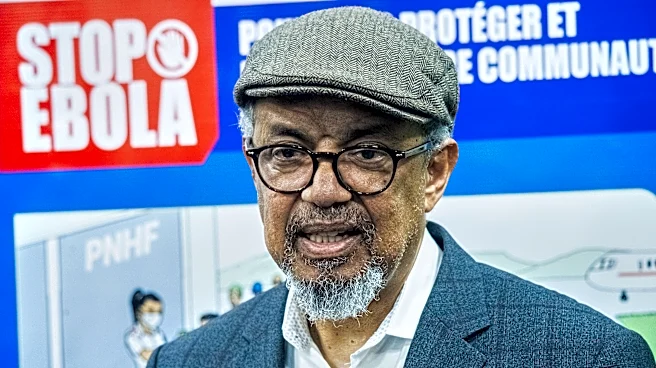
The Ebola outbreak in Congo highlights the complex interplay between cultural practices and public health. The consumption of wild meat poses significant health risks, as it can lead to zoonotic diseases like Ebola. This situation underscores the need for effective public health education to change risky behaviors and prevent future outbreaks. The outbreak also draws attention to the broader challenges of managing infectious diseases in conflict zones, where healthcare infrastructure is often inadequate. The international community's response will be crucial in supporting containment efforts and providing necessary resources.
What's Next?
Efforts to contain the Ebola outbreak will likely focus on public health education to reduce the consumption of wild meat and improve hygiene practices. International aid and support will be essential in providing medical supplies and personnel to affected areas. The outbreak may also prompt discussions on wildlife conservation and the regulation of wild meat markets to prevent future zoonotic disease outbreaks. Long-term strategies may include strengthening healthcare systems in the region to better respond to such crises.