




What's Happening?
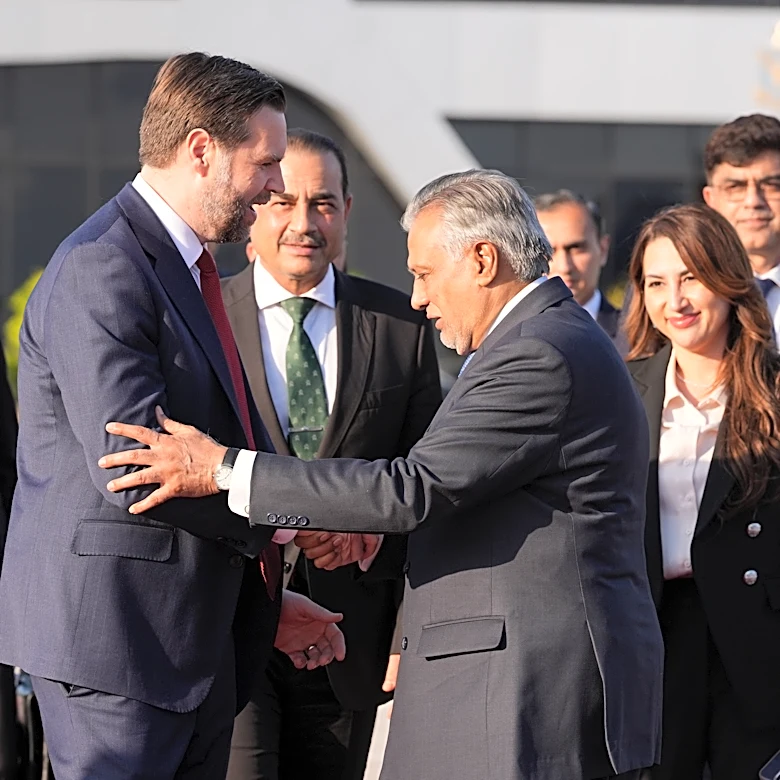
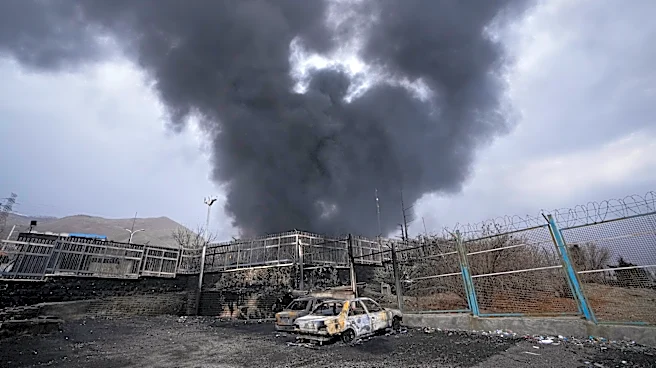
The United States and Iran have commenced face-to-face talks in Pakistan, following a tenuous ceasefire in the ongoing conflict. The war has left the Middle East unsettled, with strained alliances and shifts in economic and military power. Iran's theocracy
remains intact, albeit weakened, and the country has gained new economic leverage. The conflict has also impacted the Gulf Arab states, which face an emboldened Iran. The talks aim to address these issues, but the outcome remains uncertain as both sides have set ambitious goals and preconditions.
Why It's Important?
The talks between the U.S. and Iran are crucial for regional stability and global security. The conflict has disrupted international energy shipments and raised concerns about the balance of power in the Middle East. The outcome of the negotiations could have significant implications for U.S. foreign policy, as well as the economic and military dynamics in the region. The strained relations between the U.S. and its allies, particularly NATO, highlight the challenges of maintaining international alliances in a rapidly changing geopolitical landscape.
What's Next?
The negotiations in Pakistan are expected to continue, with both sides seeking to achieve their objectives. The U.S. aims to secure a permanent agreement that safeguards its interests, while Iran seeks to maintain its leverage over the Strait of Hormuz and preserve its missile capabilities. The talks may also impact the upcoming elections in the U.S. and Israel, as leaders face pressure to deliver on their war aims and maintain public support. The situation remains fluid, with potential for further escalation or resolution depending on the outcome of the negotiations.
Beyond the Headlines
The conflict and subsequent talks underscore the complexities of international diplomacy and the challenges of balancing national interests with global security commitments. The evolving geopolitical landscape may require a reevaluation of existing security frameworks and a renewed focus on multilateral cooperation. The situation also highlights the importance of strategic partnerships and alliances in creating asymmetric advantages and deterring rival powers. The long-term implications of the conflict may include shifts in regional power dynamics and changes in global economic and military strategies.