



What's Happening?
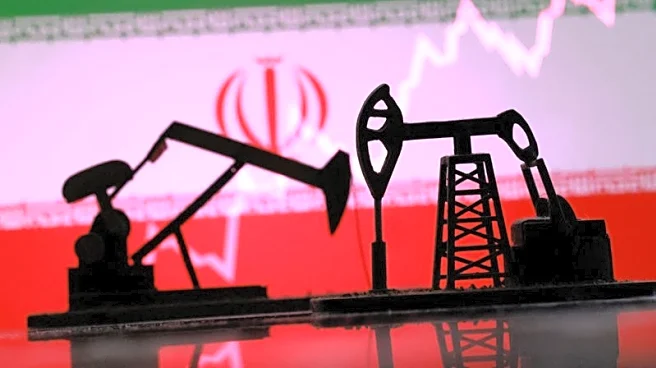
Secretary of the Treasury Scott Bessent faced intense questioning on 'Meet the Press' regarding the U.S. decision to lift sanctions on Iranian oil. The move, announced on Friday, allows Iran to potentially earn $14 billion from oil sales, despite ongoing
tensions between the U.S. and Iran. Bessent argued that the decision was strategic, suggesting that the oil would have been sold to China at a discount regardless. He claimed that lifting the sanctions allows the U.S. to better monitor the oil's distribution and use it against Iran. Bessent also contended that the revenue figures were overstated and that the U.S. had planned for this scenario. The decision comes after President Trump lifted sanctions on Russian oil, following disruptions in the Strait of Hormuz due to conflict with Iran.
Why It's Important?
The lifting of sanctions on Iranian oil is significant as it marks a shift in U.S. foreign policy and economic strategy. By allowing Iran to sell its oil, the U.S. aims to stabilize global oil prices, which have been volatile due to geopolitical tensions. This decision could impact domestic oil prices and the broader economy, as it introduces additional supply into the market. However, it also raises concerns about funding a nation that the U.S. is in conflict with, potentially strengthening Iran's economic position. The move may affect U.S. relations with allies and adversaries, as it alters the dynamics of international oil trade and sanctions enforcement.
What's Next?
The decision to lift sanctions on Iranian oil is likely to prompt reactions from various stakeholders, including political leaders, international allies, and the oil industry. There may be calls for further clarification on the U.S. strategy and its implications for global oil markets. Additionally, the impact on domestic oil prices will be closely monitored, as consumers and businesses assess the potential changes in energy costs. The U.S. government may face pressure to justify the decision and address concerns about its long-term effects on international relations and economic stability.