





What's Happening?
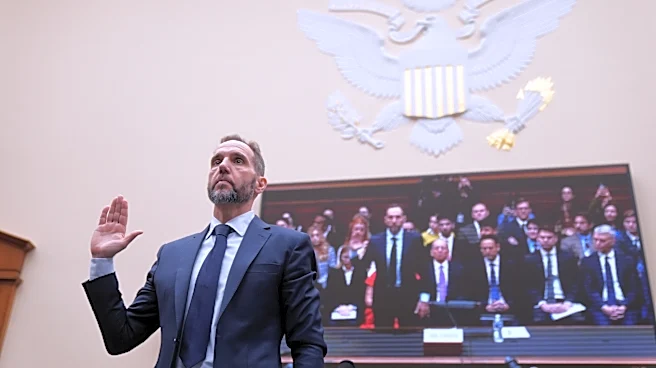
The House Judiciary Committee, led by Republican Chair Rep. Jim Jordan, has issued a criminal referral to the Department of Justice (DOJ) urging an investigation into Jack Smith, the former special counsel who prosecuted President Trump. The referral accuses
Smith of providing false testimony to Congress regarding the acquisition of phone records from Republican lawmakers during investigations into President Trump's post-2020 election actions. Smith had testified that his team only obtained 'tolling records,' which do not include the content of communications. However, it was later revealed that Smith's team had accessed text messages between Trump-era White House staff and members of Congress. Smith's attorneys have defended his actions, stating that his testimony was truthful and that the records were lawfully obtained. The DOJ has acknowledged receipt of the referral and will review the evidence.
Why It's Important?
This development underscores ongoing tensions between the legislative and executive branches over the handling of investigations into President Trump. The referral highlights concerns about the potential misuse of investigative powers and the implications for congressional oversight. If the DOJ decides to pursue charges, it could set a precedent for how former officials are held accountable for their actions during investigations. The case also reflects broader political dynamics, as it involves high-profile figures and contentious issues related to the 2020 election and subsequent investigations. The outcome could influence public trust in the justice system and impact future congressional inquiries.
What's Next?
The DOJ will review the referral and decide whether to pursue criminal charges against Jack Smith. This decision could prompt reactions from political leaders and stakeholders, potentially leading to further investigations or legislative actions. The case may also influence ongoing debates about the balance of power between branches of government and the role of special counsels in politically sensitive investigations. Observers will be watching closely to see how the DOJ navigates this politically charged situation and whether it leads to broader discussions about reforming investigative processes.