







What's Happening?
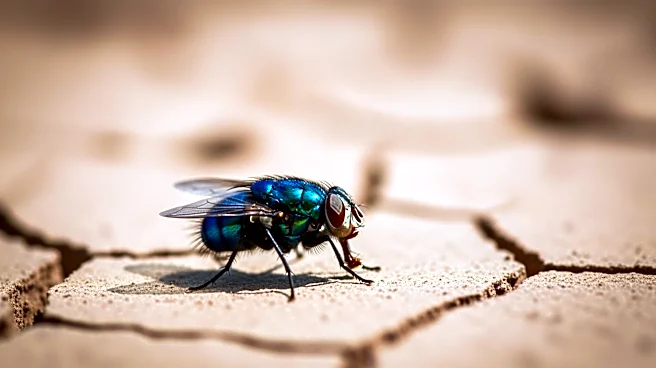
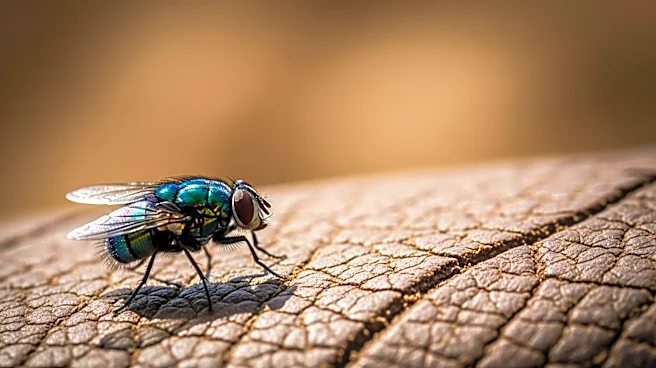
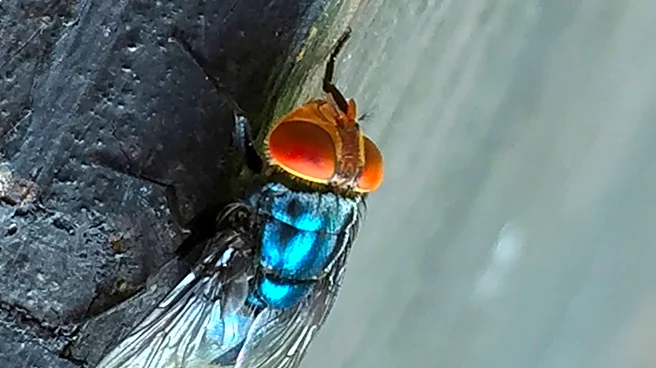
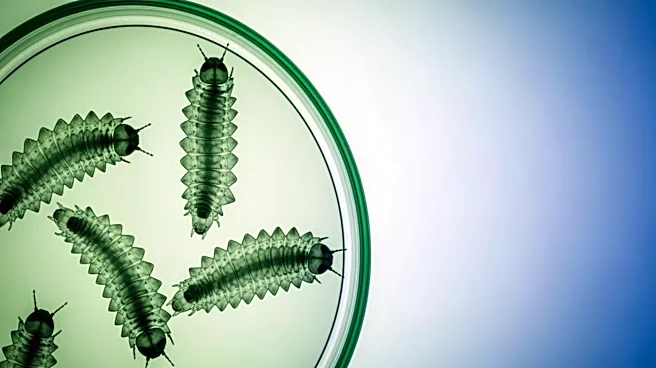
The New World screwworm, a parasitic fly larva, has been detected in the U.S. near the Mexico border, marking the first case in the state since 1966. The larvae feed on the living tissue of warm-blooded animals, posing a threat to livestock such as cattle
and deer. A quarantine zone has been established to prevent further spread. Agriculture Secretary Brooke Rollins assured that there is no threat of mass infestation, although the recurrence of cases has raised concerns among ranchers and agriculture officials. The larvae do not infest food, and proper treatment can lead to recovery from infections.
Why It's Important?
The detection of screwworms in the U.S. is significant due to the potential economic impact on the livestock industry. Historically, infestations have caused substantial financial losses. The current situation underscores the importance of biosecurity measures to protect livestock and prevent economic disruption. While the risk to humans is minimal, the presence of screwworms could lead to increased costs for ranchers and heightened vigilance in affected areas. The situation highlights the need for continued monitoring and preventive measures to safeguard the livestock industry.
What's Next?
Efforts to contain the screwworm outbreak will likely involve continued quarantine measures and monitoring of livestock in affected areas. Authorities may increase public awareness campaigns to educate ranchers and the public on preventive measures. The situation may prompt discussions on enhancing biosecurity protocols and funding for research into effective control methods. Stakeholders, including government agencies and the livestock industry, will need to collaborate to prevent further spread and mitigate potential economic impacts.