








What's Happening?
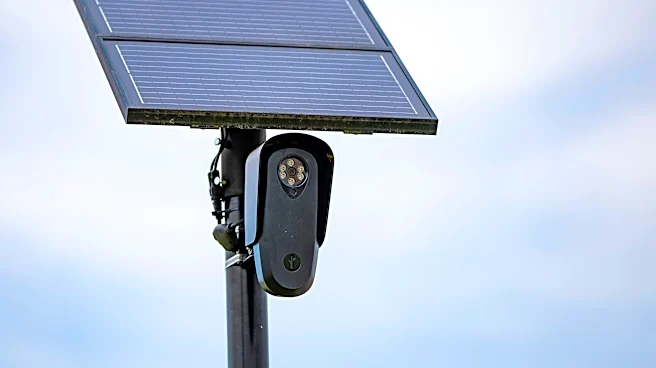
Flock Safety, a major provider of automated license plate readers (ALPRs) in the U.S., has announced new privacy protocols in response to growing concerns about surveillance and data privacy. The company, which partners with over 6,000 law enforcement
agencies and more than 5,000 private customers, has reduced its default data retention period from 30 days to seven days. This change aims to address privacy concerns, although it applies only to the company's default settings and not to state-specific regulations. Flock has also introduced 'Evidence Mode,' allowing data tied to a case number to be preserved beyond the seven-day period. Despite these changes, the company faces criticism from privacy advocates and civil liberties groups who argue that the widespread use of ALPRs contributes to a surveillance state. Flock's CEO, Garrett Langley, insists that the company's goal is to enhance safety, not create a dystopian future.
Why It's Important?
The implementation of Flock Safety's new privacy protocols is significant as it highlights the ongoing debate over surveillance and privacy in the U.S. The reduction in data retention time is a step towards addressing privacy concerns, but critics argue that it may not be sufficient to prevent misuse of data. The company's extensive network of ALPRs has raised alarms about potential mass surveillance and the tracking of individuals without criminal suspicion. This development is crucial for law enforcement agencies, privacy advocates, and the general public, as it underscores the need to balance crime-fighting capabilities with the protection of individual privacy rights. The outcome of this debate could influence future regulations and the adoption of similar technologies across the country.
What's Next?
As Flock Safety continues to expand its network, the company may face increased scrutiny from both the public and regulatory bodies. Communities across the U.S. are likely to continue debating the renewal or cancellation of Flock contracts, with some already opting to deactivate the technology due to privacy concerns. The company's new protocols, including the mandatory Audit Assistance program, aim to prevent misuse of data, but their effectiveness remains to be seen. Future developments may include further regulatory actions or legal challenges as stakeholders seek to address the balance between public safety and privacy.
Beyond the Headlines
The broader implications of Flock Safety's operations extend beyond immediate privacy concerns. The company's technology raises ethical questions about the extent of government surveillance and the potential for abuse of power. As more communities grapple with these issues, there may be a shift towards greater transparency and accountability in the use of surveillance technologies. Additionally, the debate over Flock's ALPRs could influence public opinion and policy decisions regarding other forms of surveillance, potentially leading to stricter regulations and oversight.