
What's Happening?
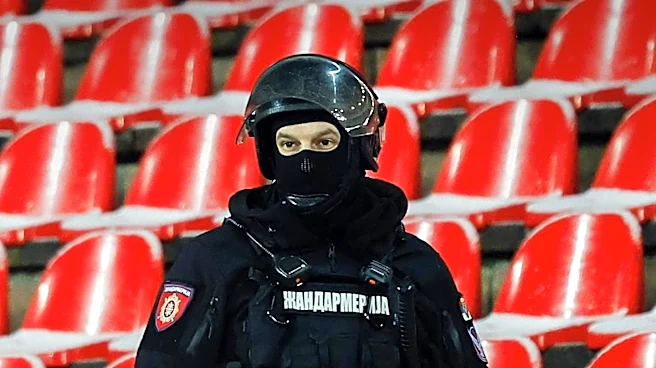
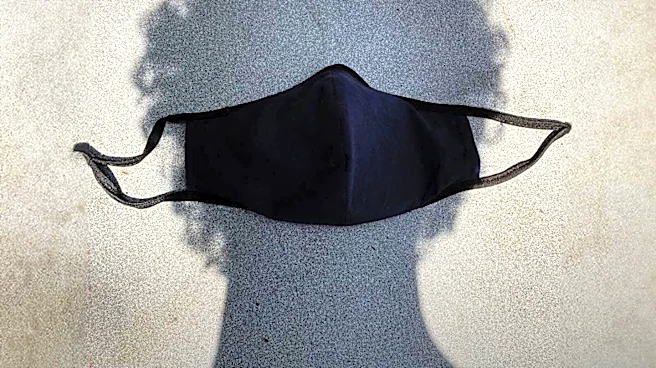
Virginia law, specifically § 18.2-422, makes it unlawful for individuals over 16 years of age to wear any mask, hood, or device that substantially conceals their face with the intent to hide their identity
in public places or on private property without written consent from the owner. The statute outlines several exceptions to this prohibition. These exceptions include wearing traditional holiday costumes, protective masks necessary for physical safety in certain professions or activities, masks used in bona fide theatrical productions or masquerade balls, and masks worn for legitimate medical reasons with a physician's affidavit. Additionally, the law can be waived by the Governor during a declared state of emergency related to a public health crisis, provided the waiver specifies the appropriate mask and its duration. Violations of this law are classified as a Class 6 felony.
Why It's Important?
This Virginia statute is significant for public safety, civil liberties, and law enforcement in the U.S. It aims to balance the need for public order and identification with individual rights and legitimate uses of face coverings. The law's existence reflects societal concerns about anonymity being exploited for criminal activities, while its exceptions acknowledge cultural practices, occupational necessities, and health requirements. For law enforcement, it provides a legal framework for addressing situations where individuals intentionally obscure their identity. For citizens, it defines the boundaries of acceptable public attire and the circumstances under which face coverings are legally permitted. The inclusion of medical and public health emergency exceptions demonstrates the law's adaptability to evolving societal needs, particularly in light of recent global health crises.
What's Next?
The application and interpretation of Virginia's mask-wearing law will continue to be relevant, particularly as societal norms around face coverings evolve. Future legal challenges or legislative amendments might arise, especially concerning the balance between public safety and individual freedoms, or in response to new public health scenarios. Law enforcement agencies will continue to enforce the statute, while civil liberties organizations may monitor its application to ensure it does not disproportionately affect certain groups or infringe upon constitutional rights. The Governor's power to issue waivers during emergencies will remain a critical component, allowing for flexibility in response to unforeseen public health crises. Public awareness campaigns may also be necessary to inform residents about the specifics of the law and its exceptions.
Beyond the Headlines
Beyond its legal framework, Virginia's mask-wearing law touches upon deeper societal and psychological implications of anonymity. The act of concealing one's identity can evoke feelings of both liberation and suspicion, impacting social interactions and perceptions of trust. The law implicitly acknowledges the importance of facial recognition in social cohesion and accountability. The exceptions, such as for holiday costumes or medical reasons, highlight the cultural and practical contexts where anonymity is deemed acceptable or necessary. This statute reflects a broader societal tension between the desire for individual privacy and the collective need for security and transparency. It also raises philosophical questions about the nature of identity in public spaces and the role of the state in regulating personal appearance for the common good.