







What's Happening?
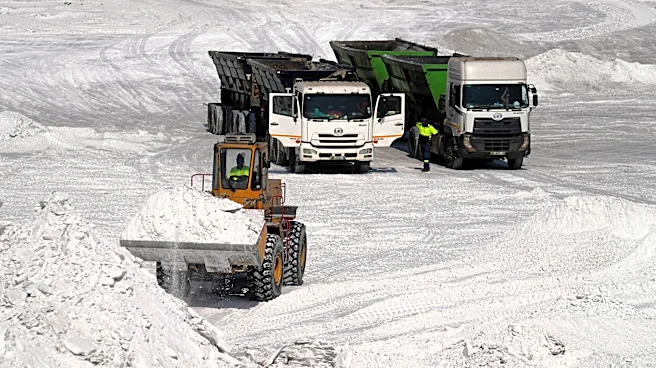
Burkina Faso has announced a significant increase in its stake in the Kiaka gold mine, raising government ownership from 15% to 40%. This move is part of a broader trend of resource nationalism in Africa, where countries are seeking greater control over their
natural resources. The increase in state participation is facilitated by a decree from the Council of Ministers, allowing for rapid implementation without lengthy legislative processes. This change reflects a strategic shift towards more direct government involvement in the mining sector, aiming to capture more resource rents and ensure long-term economic benefits remain within national borders. The decision has led to a trading halt for companies like West African Resources Limited, which will see its stake reduced from 85% to 60%, significantly impacting its project control and cash flow participation.
Why It's Important?
The increase in government ownership of the Kiaka mine is indicative of a larger trend across Africa, where countries are renegotiating mining agreements to optimize revenue and assert economic sovereignty. This shift has significant implications for international mining companies, which now face increased political risk and potential valuation impacts. The move could lead to a reassessment of investment strategies, as companies must navigate new regulatory environments and consider political risk insurance and bilateral investment treaty protections. For Burkina Faso, this strategy aims to enhance fiscal resilience and capture more value from its natural resources, potentially leading to increased infrastructure investment and economic development.
What's Next?
International mining companies operating in Burkina Faso and similar jurisdictions will need to adapt to the changing regulatory landscape. This may involve restructuring project financing to accommodate increased government participation and reassessing portfolio allocations to manage risk. Companies might also explore joint ventures with local entities to enhance political acceptance and mitigate operational risks. The broader implications for the mining sector include potential shifts in global supply chains and investment flows, as companies seek to balance the opportunities and challenges presented by resource nationalism.
Beyond the Headlines
The move towards increased state participation in mining operations raises questions about the long-term sustainability of such policies. While they may provide short-term fiscal benefits, there is a risk of deterring foreign investment if perceived as too aggressive. Additionally, the effectiveness of these policies will depend on the government's ability to manage and operate these assets efficiently. The evolving geopolitical landscape, including China's growing influence through initiatives like the Belt and Road, may also play a role in shaping future developments in the region.