
What's Happening?
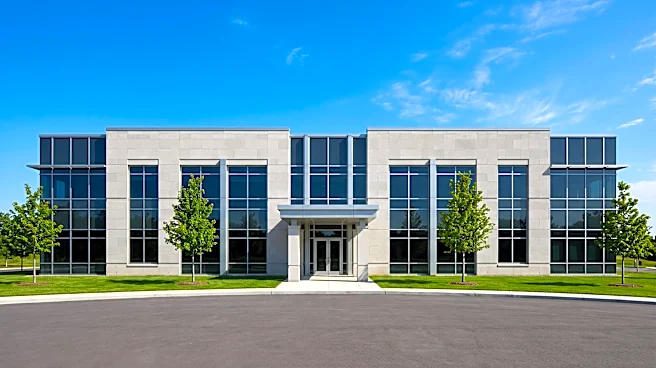
A groundbreaking ceremony was held for the new Anderson County Emergency Operations Center in Clinton, Tennessee, on September 23, 2026. This $4.87 million, 12,000-square-foot facility is a collaborative
effort involving Anderson County, the city of Clinton, and state and federal partners. U.S. Congressman Chuck Fleischmann, R-Third District, played a role in securing nearly $3 million in financial support for the project through the 2024 Emergency Operations Center Grant Program. This funding was provided by the state of Tennessee, Department of Military, and Tennessee Emergency Management Agency, consistent with investments approved for Tennessee by the U.S. Department of Homeland Security and the federal government. The Anderson County Commission also contributed support. The center, located at 288 Frank L. Diggs Drive, is expected to be completed by July 2027. Officials, including County Mayor Terry Frank and former EMA Directors Steve Payne and Brice Kidwell, had been discussing the need for such a facility for years, visiting other emergency operations centers in East Tennessee to gather ideas.
Why It's Important?
The establishment of the new Anderson County Emergency Operations Center signifies a critical upgrade in the region's disaster preparedness and response capabilities. This investment will enhance the coordination and effectiveness of emergency services, directly impacting the safety and well-being of residents in Anderson County and potentially surrounding areas. The involvement of federal and state funding, facilitated by U.S. Congressman Chuck Fleischmann, underscores the recognition of local emergency infrastructure as a national priority. Improved emergency operations centers are vital for managing natural disasters, public health crises, and other emergencies, ensuring a more organized and rapid response. This project also highlights the importance of intergovernmental collaboration, demonstrating how federal, state, and local entities can work together to address community needs and bolster resilience against unforeseen events. The long-term impact will be a more secure and prepared community, reducing potential losses and accelerating recovery efforts during crises.
What's Next?
Construction of the Anderson County Emergency Operations Center is projected to be completed by July 2027. Following its completion, the facility will become operational, significantly enhancing the county's ability to manage and respond to emergencies. The city of Clinton also plans to develop a fire station No. 3 on the same property in the future, further consolidating emergency services in the area. This co-location will likely improve response times and resource allocation for both fire and broader emergency management services. The successful completion and integration of this center could serve as a model for other counties seeking to upgrade their emergency infrastructure, potentially encouraging similar collaborative funding efforts across the state and nation. Local officials will likely focus on staffing, training, and equipping the new center to ensure it meets its operational objectives effectively.
Beyond the Headlines
This project reflects a broader national trend towards strengthening local emergency management infrastructure in the face of increasing climate-related disasters and other threats. The collaborative funding model, involving federal, state, and local contributions, illustrates the complex financial mechanisms often required for significant public safety initiatives. The long gestation period for this project, with discussions spanning several years, highlights the challenges and persistence required to bring such essential community projects to fruition, especially when funding is a concern. The new center will not only provide a physical hub for emergency response but also symbolize a renewed commitment to public safety and community resilience. It underscores the critical role of elected officials like U.S. Congressman Chuck Fleischmann in advocating for and securing resources for their constituents' fundamental needs, bridging the gap between local requirements and federal support.