





What's Happening?
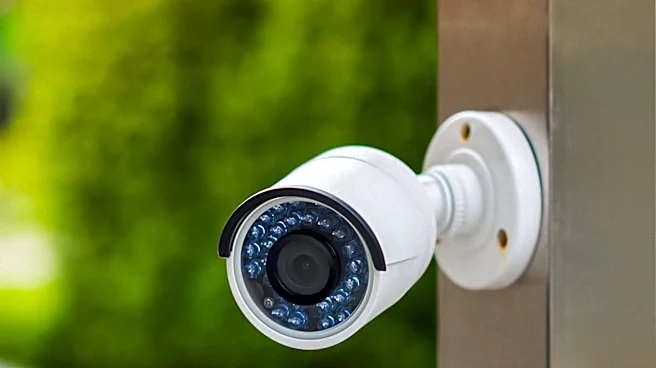
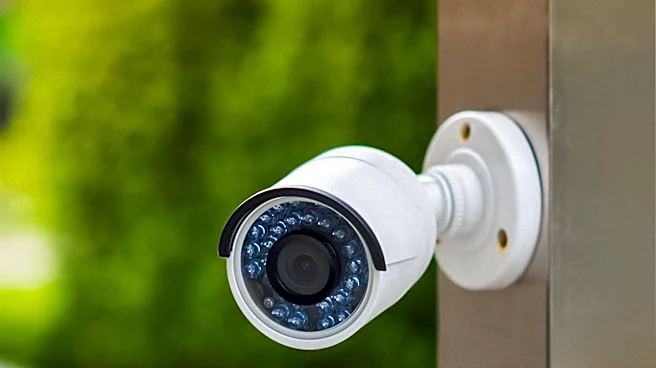
Home Technology Experts (HTE) has outlined seven prevalent mistakes homeowners make when implementing smart home security systems. These errors often lead to vulnerabilities despite the installation of numerous devices. Key issues include mistaking cameras
and video doorbells for a complete security system, neglecting the underlying home network, and prioritizing product purchases over a comprehensive security plan. HTE emphasizes that effective security begins with understanding the property's specific needs and risks, rather than simply acquiring devices. Other common pitfalls involve accepting constant, irrelevant notifications, overlooking failures in power, internet, or equipment, treating installation as the project's end, and integrating everything without preserving independent operation for critical functions. The firm stresses that a reliable system requires thoughtful coverage, dependable infrastructure, and ongoing maintenance to remain effective.
Why It's Important?
These identified mistakes highlight critical gaps in how many U.S. homeowners approach their personal security, potentially leaving them exposed to risks. A fragmented or poorly planned security system can create a false sense of safety, leading to delayed alerts, unmonitored areas, or system failures during crucial moments like power outages. For the smart home technology industry, HTE's insights underscore the need for providers to educate consumers on holistic security planning beyond product features. Homeowners stand to lose peace of mind and potentially suffer financial losses from security breaches if these common errors are not addressed. Conversely, those who adopt a strategic approach to security system design, focusing on infrastructure, coverage, and maintenance, stand to gain robust protection and genuine reassurance.
What's Next?
Homeowners are advised to reassess their current smart home security setups based on HTE's guidelines, focusing on comprehensive planning rather than piecemeal device acquisition. This includes evaluating network strength, ensuring backup power for critical components, and establishing a maintenance schedule for software updates and equipment checks. The smart home security industry may see a shift towards more integrated service offerings that emphasize consultation and long-term support, moving beyond simple product sales. Consumers are likely to become more discerning, seeking providers who offer tailored security plans that account for property specifics and potential vulnerabilities, rather than just selling individual cameras or sensors. This could lead to increased demand for professional security assessments and managed services.
Beyond the Headlines
The prevalence of these security mistakes points to a broader societal challenge in adapting to rapidly evolving technology. Many consumers adopt smart home devices for convenience without fully grasping the complexities of cybersecurity, network infrastructure, and system integration. This creates an ethical responsibility for technology providers to offer not just products, but also comprehensive solutions and education. Legally, as smart home systems become more integral to personal safety, questions may arise regarding liability when security failures occur due to design flaws or neglected maintenance. Culturally, there's a growing expectation for seamless, intuitive technology, which can sometimes overshadow the critical need for robust, resilient security measures, leading to a trade-off between convenience and true protection. This trend highlights the need for greater digital literacy among consumers regarding their connected homes.