





What's Happening?
The Roseburg Urban Sanitary Authority (RUSA) and Ameresco, Inc., a leading energy infrastructure company, have announced the completion of a solar-plus-storage project at RUSA's main office. This $1 million project is the initial phase of a larger energy program
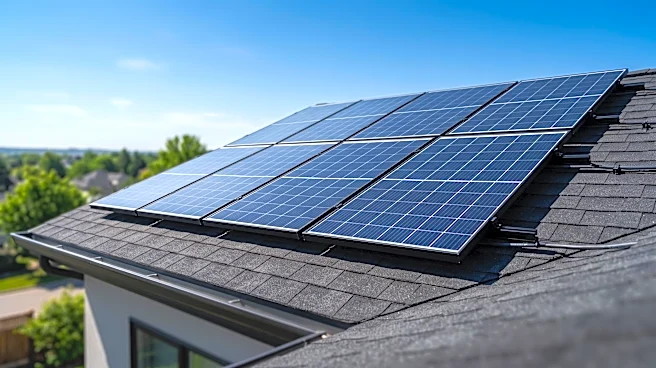
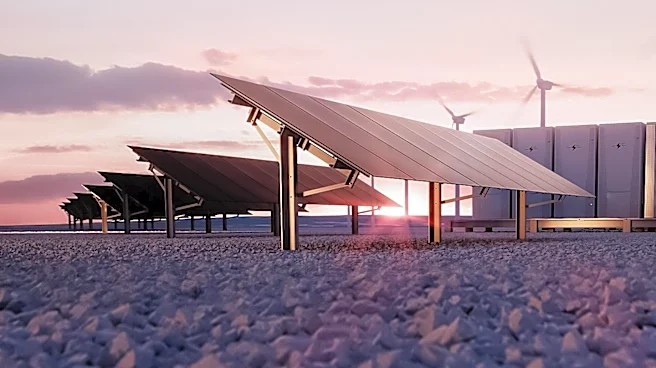
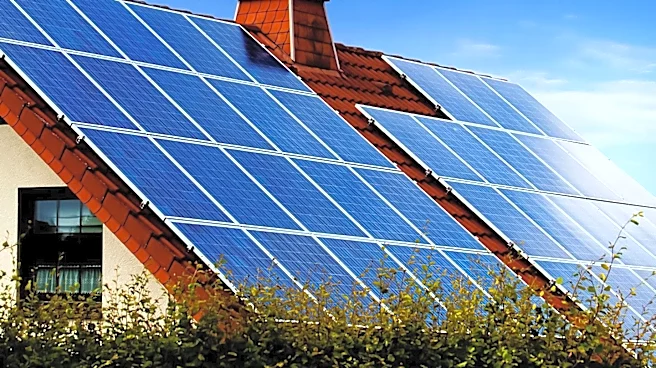
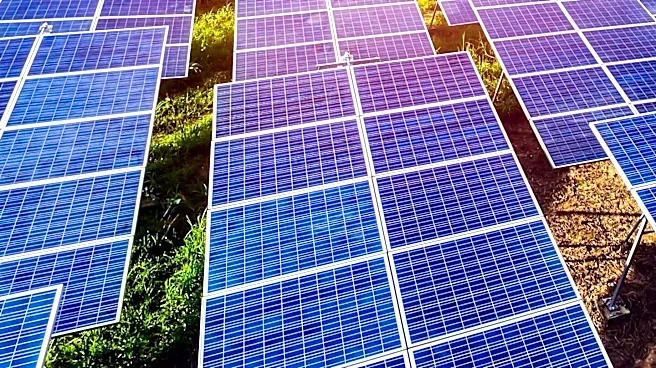
designed to improve the resilience, sustainability, and cost-effectiveness of RUSA's facilities, which include its Main Office, wastewater treatment plant (WWTP), and natural treatment system (NTS). The completed system features a 39.4-kWDC solar photovoltaic system, projected to generate approximately 51,580 kWh annually, effectively offsetting 100 percent of the Main Office's yearly electricity consumption. This solar array is integrated with a 184-kWh battery energy storage system, ensuring that critical administrative and operational functions remain available even during power disruptions. Funding for the project included an $870,870 grant from the Oregon Department of Energy's Community Renewable Energy Program (C-REP) and support from the Energy Trust of Oregon. Jim Baird, General Manager of RUSA, emphasized that this partnership allows them to modernize facilities and safeguard the community's long-term well-being through smarter energy use and resilient infrastructure.
Why It's Important?
This project is important for several reasons, primarily demonstrating a tangible step towards energy independence and resilience for critical public infrastructure. By offsetting 100% of the main office's electricity usage with solar power and incorporating battery storage, RUSA ensures continuous operation of essential wastewater management services, even during grid outages. This enhances public health and environmental protection by preventing service interruptions. The initiative also showcases a successful model for public-private partnerships in renewable energy, leveraging grants and specialized expertise to achieve sustainability goals. Furthermore, the project contributes to the local economy by creating employment opportunities and engaging local businesses, including those from underrepresented communities. This sets a precedent for other municipalities looking to reduce operational costs, lower carbon emissions, and strengthen their infrastructure against climate-related disruptions.
What's Next?
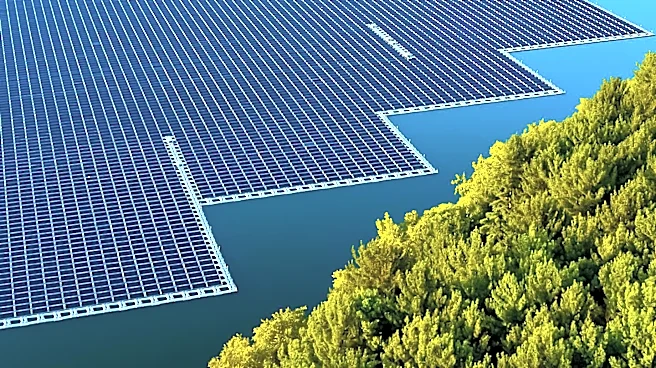
The completion of this initial solar-plus-storage project marks the beginning of a multi-phase energy program for RUSA. The next steps involve the construction of two additional projects, anticipated to commence in Fall 2026. These future phases will include the installation of a 900-kW ground-mounted solar PV system at the wastewater treatment plant (WWTP) and a 400-kW floating solar PV system at the natural treatment system (NTS). These subsequent projects will further expand RUSA's renewable energy capacity and enhance the resilience of its critical operations. The success of these phases will likely serve as a model for other public agencies considering similar energy infrastructure upgrades, potentially leading to broader adoption of solar and storage solutions in municipal services across the region and beyond.
Beyond the Headlines
The RUSA and Ameresco project has deeper implications beyond its immediate environmental and operational benefits. It highlights a growing trend among public utilities to proactively address climate change and energy security concerns through localized renewable energy solutions. This initiative demonstrates how essential services, often overlooked in energy discussions, can become leaders in sustainability. The integration of battery storage is particularly significant, showcasing a move towards energy independence and away from sole reliance on centralized grids, which are vulnerable to natural disasters and cyber threats. This project also serves as a powerful example of how public agencies can drive economic development and social equity by prioritizing local hiring and engaging diverse businesses in green infrastructure projects. It underscores a broader societal shift towards valuing resilience and sustainability as core components of modern infrastructure planning.