
What's Happening?
A recent study by AccuWeather highlights significant concerns regarding the future of water availability in the United States. The study, which analyzed data from government weather stations across 44
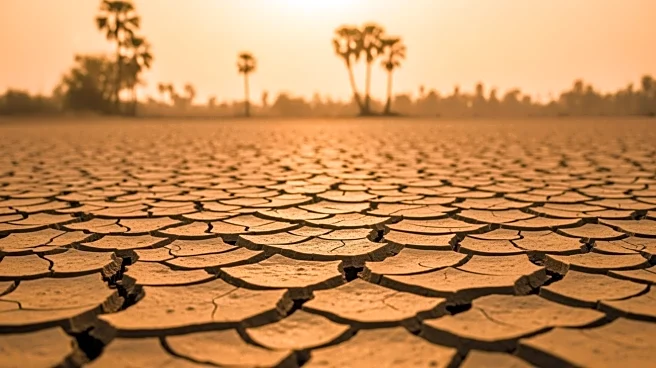
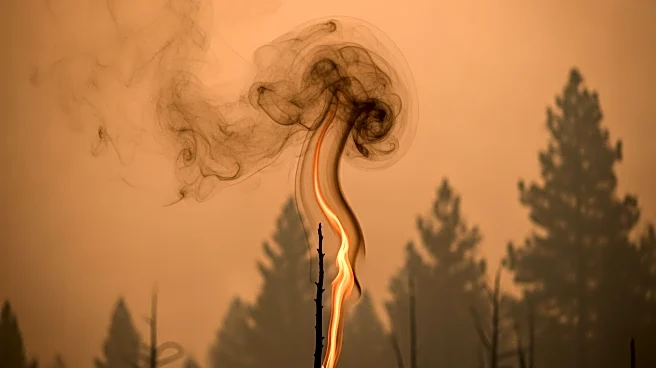
regions, reveals a troubling decline in average annual rainfall by 2.7% since 1995. This decline is compounded by a 5.3% drop in relative humidity over the same period. These changes have led to less effective rainfall for crop production and water supply maintenance, as rain tends to occur in shorter, less beneficial bursts. Joel Myers, founder and executive chair of AccuWeather, emphasized that these trends could lead to more frequent wildfires, reduced crop yields, and shrinking agricultural areas as soil becomes more arid. The study suggests that these effects may become more pronounced over the next decade or two.
Why It's Important?
The findings of this study have significant implications for various sectors in the U.S., particularly agriculture and water management. As rainfall becomes less effective and drought conditions worsen, crop production could face severe challenges, potentially leading to higher food prices and economic strain on farmers. Additionally, the increased frequency of wildfires poses a threat to both rural and urban areas, impacting public safety and infrastructure. The study also raises concerns about the adequacy of current climate models, suggesting they may not fully capture the rapid changes in weather patterns. This could hinder effective planning and response strategies, making it crucial for policymakers and industry leaders to consider these findings in future resource management and climate adaptation efforts.
What's Next?
If the current trends continue, the U.S. may need to adopt more advanced water management and agricultural practices to mitigate the impacts of declining rainfall and increasing drought. This could involve investing in technologies that enhance water efficiency and crop resilience. Policymakers might also need to revise climate models to better predict and prepare for these changes. Additionally, there may be increased pressure on government agencies and industries to develop comprehensive strategies to address the potential expansion of desert areas and the associated economic and environmental challenges.
Beyond the Headlines
The study's findings highlight a potential tipping point in climate trends that could have long-term implications for the U.S. ecosystem and economy. The decline in relative humidity and effective rainfall suggests a shift towards more arid conditions, which could alter natural habitats and biodiversity. This environmental change may also influence migration patterns, as communities in severely affected areas might relocate in search of more sustainable living conditions. Furthermore, the study underscores the importance of integrating scientific research into public policy to ensure that climate adaptation measures are grounded in the latest data and projections.