






What's Happening?
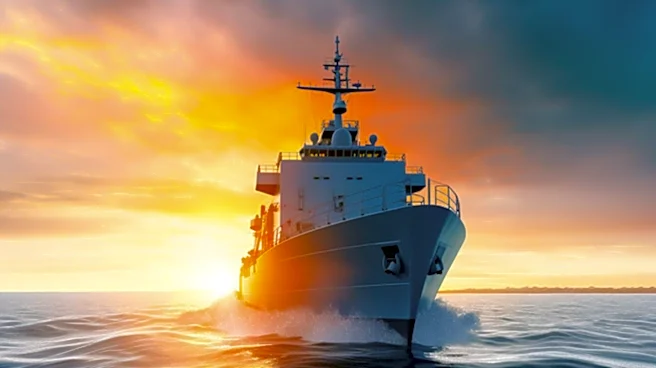
The ongoing conflict involving the U.S. and Israel against Iran has led to significant disruptions in the Strait of Hormuz, a critical global trade route. Since the conflict began on February 28, over 1,500 vessels have been stalled near this strategic
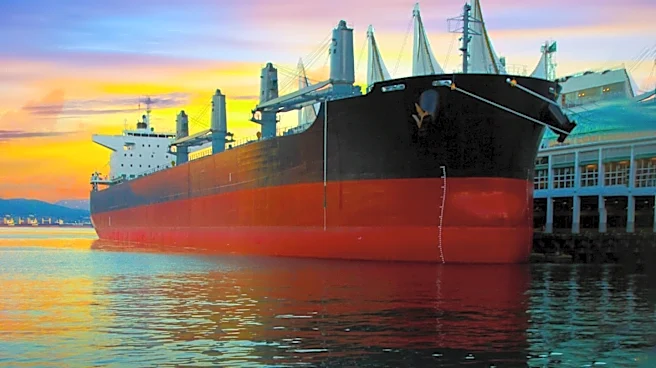
waterway, which is crucial for transporting one-fifth of the world's oil and natural gas supply. A study by an international coalition of marine scientists warns that these idling ships could become vectors for invasive marine species. These organisms, which have colonized the ships' hulls during the prolonged stationary period, pose a threat to ecosystems worldwide once the ships resume their routes. The organisms are particularly resilient, thriving in the extreme seasonal conditions of the Middle East waters, making them potential invaders in new environments.
Why It's Important?
The halted ship traffic in the Strait of Hormuz not only affects global oil markets but also presents a significant ecological threat. The potential spread of invasive species could disrupt marine ecosystems, outcompete native species, and cause economic damage by affecting infrastructure and introducing harmful pathogens. The economic implications are vast, as biofouling increases fuel consumption and emissions, costing shipping companies billions annually. The situation underscores the interconnectedness of geopolitical conflicts and environmental issues, highlighting the need for comprehensive biosecurity measures. The U.S. and other regions could face ecological and economic challenges if these invasive species establish themselves in new habitats.
What's Next?
Researchers recommend immediate actions such as in-water cleanings to mitigate the risk of invasive species spread. However, logistical challenges and the urgency of resuming trade may limit these efforts. Ports are likely to prioritize clearing bottlenecks over large-scale cleaning operations. Authorities are advised to assess the biofouling levels on ships before departure and monitor for early detection of invasive species. Strengthening biofouling management practices is crucial to prevent future ecological impacts. As climate change continues to warm ocean temperatures, the risk of invasive species colonizing new areas is expected to increase, necessitating proactive measures.
Beyond the Headlines
The situation highlights the broader implications of geopolitical conflicts on environmental health. The potential for invasive species to spread due to halted shipping traffic illustrates the complex interplay between human activities and ecological systems. This event serves as a reminder of the need for integrated approaches to address both immediate human and economic concerns and long-term ecological impacts. The study calls for collaboration between governments, the maritime industry, and environmental organizations to enhance biosecurity measures and mitigate the risks associated with global trade disruptions.