





What's Happening?
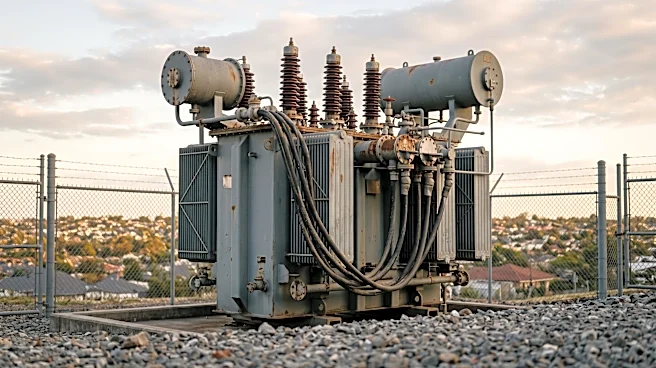
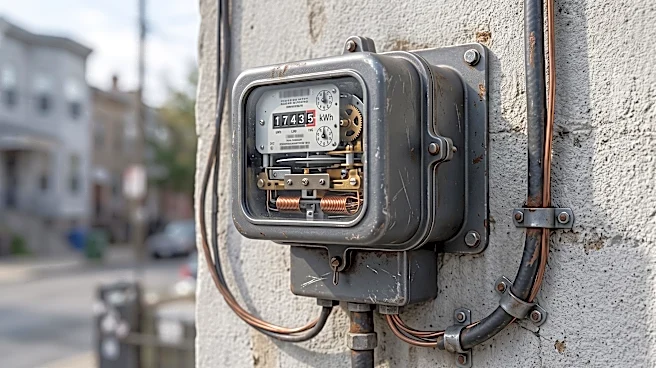
Baltimore Gas and Electric (BGE) has requested approval from the Maryland Public Service Commission for an annual rate increase of $156 million. This proposed hike would result in an average monthly increase of $8 on customers' electric bills. This request is separate
from an additional planned $9 monthly surcharge related to Baltimore's conduit system. If both proposals are approved, the average customer could see their monthly bill increase by approximately $17. The utility company states that the additional revenue is necessary for maintaining its electrical system and ensuring safe and dependable service. Public hearings are being held to allow customers to voice their objections, with one scheduled for November 4. Baltimore City Council President Zeke Cohen has urged regulators to consider the financial burdens already faced by residents, highlighting that many are struggling with rising costs across various aspects of their lives.
Why It's Important?
This proposed rate hike by BGE is significant for Maryland residents, particularly those in Baltimore, as it directly impacts household budgets already strained by increasing costs of living. The potential $17 monthly increase, combining the rate hike and the conduit system surcharge, could force many families to make difficult financial choices, as exemplified by one resident who reportedly had to turn off her heating to afford an oxygen tank. This situation underscores a broader affordability crisis in Maryland, where residents are grappling with rising expenses for groceries, housing, and other utilities. The outcome of the Public Service Commission's decision will determine whether BGE customers face further financial pressure, potentially exacerbating economic hardship for vulnerable populations and impacting the overall economic stability of households in the region.
What's Next?
The Maryland Public Service Commission will continue to hold public hearings, with another one scheduled for November 4, to gather feedback from customers regarding BGE's proposed rate increase. Following these hearings, regulators will decide whether to approve the $156 million annual rate hike. Baltimore City Council President Zeke Cohen and other community leaders are actively advocating for residents, urging the commission to consider the financial strain on households. BGE maintains that delaying essential upkeep and infrastructure projects could lead to higher future expenses and more service interruptions, suggesting a potential trade-off between immediate cost relief and long-term service reliability. The decision will set a precedent for how utility costs are managed in Maryland and could influence future rate requests from other utility providers in the state.
Beyond the Headlines
The ongoing debate over BGE's rate hike highlights a critical tension between utility companies' need for infrastructure investment and the public's demand for affordable essential services. This situation reflects a broader national challenge where aging infrastructure, coupled with increasing operational costs, often leads to utility rate increases. The public outcry and the involvement of local political figures like Baltimore City Council President Zeke Cohen underscore the social and political implications of such decisions. Beyond the immediate financial impact, these rising costs can contribute to energy poverty, where households struggle to afford adequate heating and cooling, potentially leading to health and safety risks. The outcome in Maryland could influence regulatory approaches in other states facing similar pressures, emphasizing the need for balanced solutions that ensure both utility solvency and consumer protection.