



What's Happening?
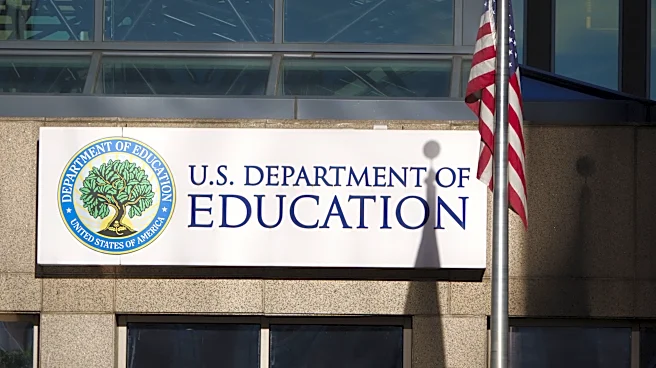
Shippensburg University has been awarded a nearly $3 million Title III Strengthening Institutions Program Grant from the U.S. Department of Education. This five-year grant aims to enhance retention and degree completion rates for first-generation, Pell
Grant-recipient, and Pell-eligible students. First-generation students constitute 45 percent of Ship's incoming 2026 cohort and face a potential 12-percentage-point gap in first-to-second-year retention. The university plans to utilize the grant to expand its Textbook Network, thereby eliminating financial barriers to course materials, as national studies indicate a significant number of students skip purchasing required textbooks due to cost. Additionally, the funding will expand academic and student support services and increase participation in high-impact, work-based, and career-focused learning experiences. A new first-generation student lounge and study space has also been established in the Ezra Lehman Memorial Library.
Why It's Important?
This federal grant is critically important for Shippensburg University and its first-generation students, as it directly addresses significant barriers to academic success and retention. The financial support for textbooks and expanded academic services can dramatically improve educational equity, allowing students from less privileged backgrounds to access necessary resources without undue financial strain. The focus on increasing retention and graduation rates for this specific demographic has broader societal implications, contributing to a more educated workforce and reducing socioeconomic disparities. By investing in these students, the grant helps to unlock their potential, fostering social mobility and strengthening the overall economic and social fabric of the communities they come from. The establishment of a dedicated lounge also provides a crucial support network, helping these students navigate the unique challenges of being first-generation college attendees.
What's Next?
Over the next five years, Shippensburg University will implement several initiatives funded by the grant. The immediate steps include expanding the Textbook Network to ensure all students have access to required course materials. Concurrently, the university will enhance academic and student support services and increase opportunities for work-based and career-focused learning experiences. A campus-wide survey has been distributed to encourage broader involvement from students, faculty, and staff in first-generation student activities and mentoring. The newly established first-generation student lounge will serve as a central hub for connection and support. These efforts are expected to lead to a measurable improvement in retention and graduation rates for first-generation and Pell-eligible students, demonstrating the long-term impact of targeted federal funding on higher education outcomes.
Beyond the Headlines
The challenges faced by first-generation college students, such as financial burdens and a lack of familial experience with higher education, are systemic issues that extend beyond individual institutions. This grant from the U.S. Department of Education highlights a national recognition of these disparities and a commitment to addressing them through targeted funding. The success of programs like Shippensburg's Textbook Network could serve as a model for other universities, demonstrating effective strategies for reducing educational costs. Furthermore, the emphasis on creating supportive communities, such as the new student lounge, underscores the importance of holistic support systems that address not only academic but also social and emotional needs. This initiative contributes to a larger national conversation about equitable access to higher education and the role of federal funding in fostering inclusive academic environments.