








What's Happening?
New York State has significantly enhanced its shark monitoring efforts along Long Island's beaches by deploying a fleet of drones. This initiative, led by Governor Hochul, aims to prevent shark encounters with beachgoers, particularly during the busy
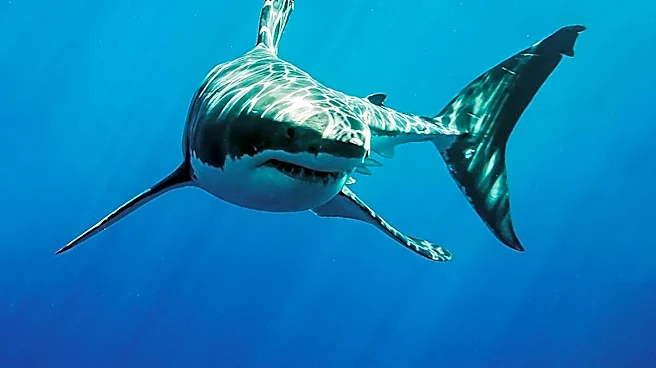
summer months. The state has increased its resources to 46 drones and 67 operators, who conduct regular surveillance flights to detect potential shark activity. The drones primarily search for large groups of bunker fish, which are a common food source for sharks, to preemptively move swimmers away from potential danger zones. This strategy has contributed to a notable decrease in shark incidents, with only one minor encounter reported last summer compared to 13 in previous years.
Why It's Important?
The use of drones for shark monitoring is a significant advancement in public safety for beachgoers in New York. By reducing the likelihood of shark encounters, the state is enhancing the safety and appeal of its beaches, which are a major attraction during the summer. This initiative not only protects swimmers but also supports the local economy by maintaining the reputation of Long Island's beaches as safe destinations. Additionally, the program reflects a broader trend of using technology to address environmental and safety challenges, potentially serving as a model for other coastal regions facing similar issues.
What's Next?
As the summer progresses, experts anticipate an increase in shark sightings as water temperatures rise. The continued use of drones will be crucial in managing these encounters. Authorities will likely monitor the effectiveness of the program and make adjustments as needed. The success of this initiative could lead to further investments in technology-driven safety measures. Additionally, public education campaigns may be implemented to inform beachgoers about the risks and safety protocols related to shark encounters.
Beyond the Headlines
The deployment of drones for shark monitoring raises interesting questions about the balance between human recreation and wildlife conservation. While the technology helps protect humans, it also highlights the need for coexistence with marine life. The initiative underscores the importance of understanding and respecting natural habitats, as well as the role of technology in facilitating this balance. As climate change continues to affect marine ecosystems, such measures may become increasingly necessary to ensure both human safety and the preservation of biodiversity.