
What's Happening?
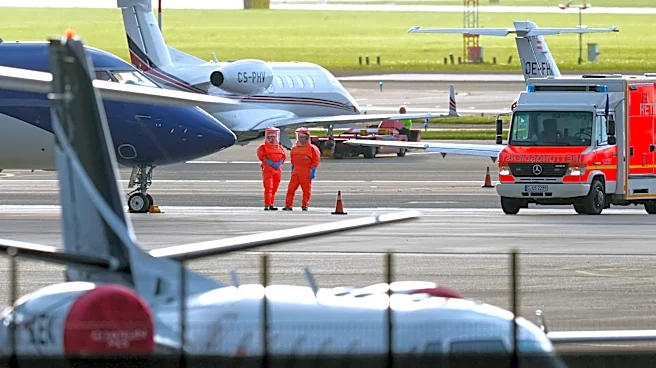
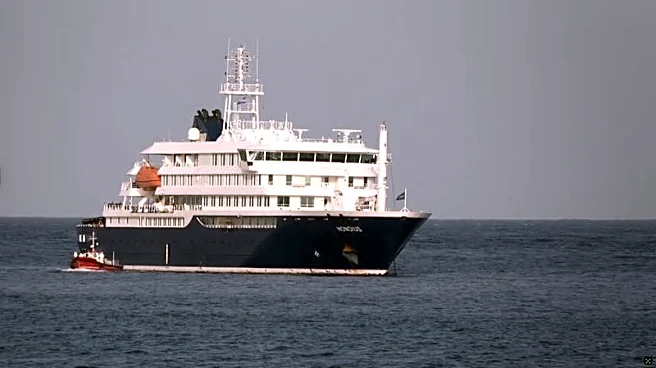
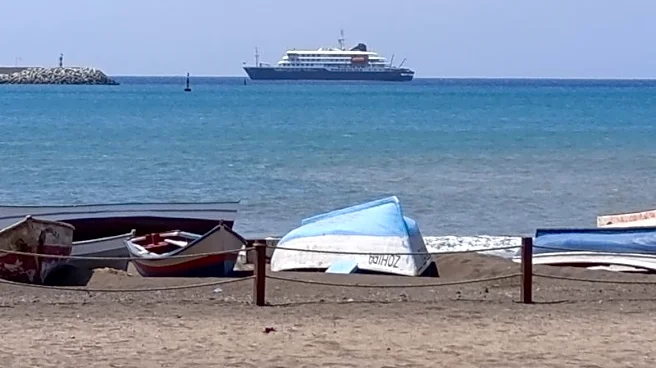
A woman who died from the Andes strain of hantavirus was briefly onboard a KLM Royal Dutch Airlines flight in Johannesburg before being removed due to her deteriorating health. The woman had been on the MV
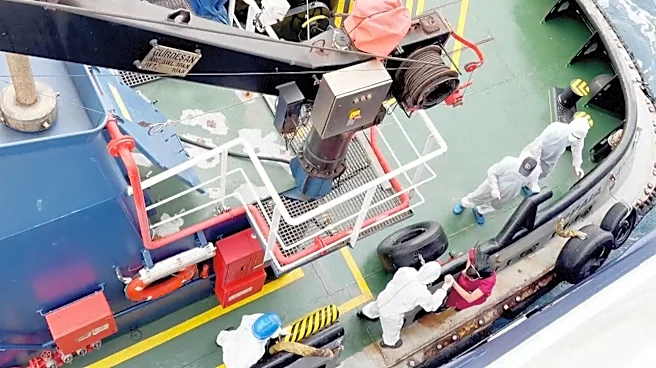
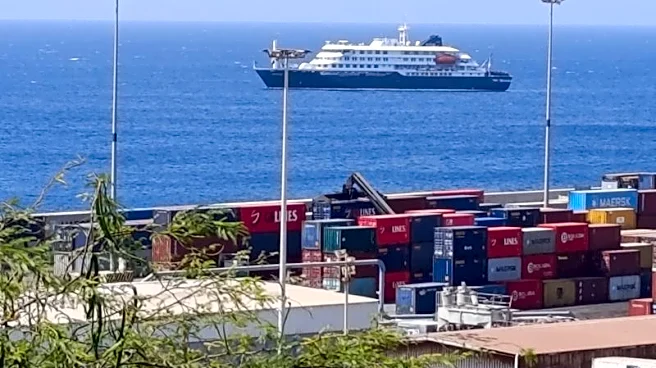
Hondius cruise ship, where an outbreak of hantavirus occurred. Her husband was the first to fall ill and died earlier in the outbreak. The World Health Organization (WHO) has warned of limited human-to-human transmission of the virus. KLM is conducting contact tracing for passengers on the affected flight, which was a codeshare with several airlines. Health officials in South Africa are also tracing contacts from a regional flight the woman took prior to her death.
Why It's Important?
The incident underscores the challenges of containing infectious diseases in global travel networks. The potential for human-to-human transmission, although rare, raises concerns about the spread of hantavirus beyond the initial outbreak site. The contact tracing efforts by KLM and health authorities are critical to preventing further transmission. This situation highlights the importance of rapid response and coordination among international health agencies and airlines to manage public health risks. The outbreak also emphasizes the need for heightened awareness and preventive measures in travel settings to protect passengers and crew.
What's Next?
Health authorities will continue contact tracing and monitoring of individuals who may have been exposed to the virus. The WHO and national health agencies may issue travel advisories or guidelines to prevent similar incidents. Airlines might implement stricter health screening protocols for passengers showing symptoms of infectious diseases. The situation could lead to increased research and funding for hantavirus prevention and treatment. Public health campaigns may be launched to educate travelers about the risks and symptoms of hantavirus.