







What's Happening?
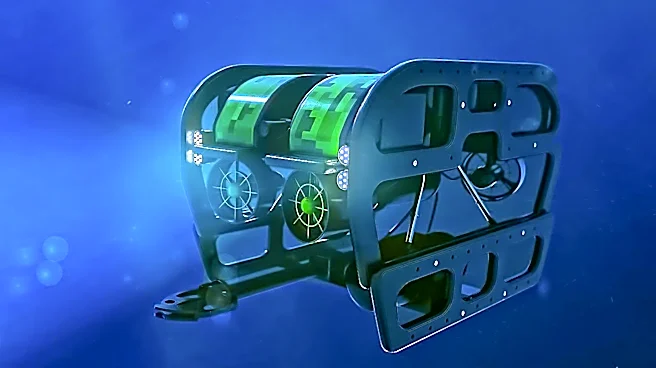
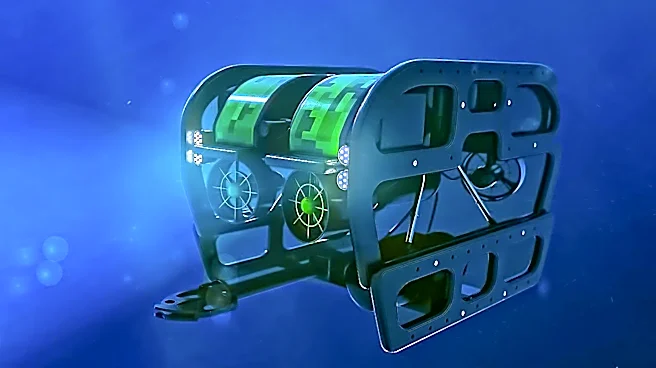
France has awarded a contract to shipbuilder Naval Group for the development of an operational demonstrator of a large-sized oceangoing underwater drone. Sea trials for this uncrewed combat underwater vehicle (UCUV) are slated to commence in 2028. The
French Armed Forces ministry announced that the demonstrator will need to exhibit both endurance and autonomous decision-making capabilities. Its missions will encompass intelligence gathering, surveillance, reconnaissance, and potentially more offensive neutralization actions. This initiative aims to enhance the French Navy's presence across its extensive maritime domain, which is the world's second-largest exclusive economic zone. The 2026 French defense budget has allocated €30 million in commitment authorizations and €17 million in payment appropriations for this demonstrator, with the country's 2024-2030 defense programming law earmarking €5 billion for drones and robots, including underwater drones, over a seven-year period.
Why It's Important?
This development signifies France's commitment to advancing its naval capabilities and maintaining technological superiority in underwater domains, particularly in the face of intensifying global competition and threats to critical infrastructure. The U.S. Navy is also actively developing uncrewed underwater vehicles, such as the Orca with Boeing, and other nations like the UK and Australia are investing in similar technologies. France's entry into this 'select group of nations' engaged in large-sized unmanned underwater vehicle development underscores a global trend towards autonomous naval systems. For the U.S., this means a key NATO ally is strengthening its defense capabilities, potentially contributing to collective security efforts. However, it also highlights the accelerating pace of naval technology development among allies and potential adversaries, necessitating continuous innovation and investment in the U.S. defense sector to maintain its strategic edge. The project's success could influence future naval doctrines and procurement strategies worldwide.
What's Next?
The immediate next step involves the continued development and eventual sea trials of the UCUV demonstrator, scheduled for 2028. These trials will be crucial for validating the technological choices made and gaining a deeper understanding of the operational responses to new forms of naval combat. The demonstrator is expected to be air transportable and deployable from various platforms, indicating a focus on versatility. The future ocean-going demonstrator will feature a 'controlled autonomous decision-making system' to adapt to tactical situations, environmental conditions, and potential malfunctions, either independently or in conjunction with other systems. The broader 2024-2030 defense programming law, with its €5 billion allocation for drones and robots, suggests a sustained investment in this area. The progress of this French initiative will likely be closely watched by other naval powers, including the U.S., as it could inform their own future investments and strategic planning in autonomous underwater warfare.
Beyond the Headlines
The push for advanced autonomous underwater drones like France's UCUV raises profound implications beyond military strategy. Ethically, the development of 'autonomous decision-making systems' in combat vehicles sparks debates about the role of artificial intelligence in warfare and the potential for machines to make life-or-death decisions without direct human intervention. Legally, the deployment of such systems could challenge existing international laws of armed conflict, particularly concerning accountability and responsibility for actions taken by autonomous weapons. Culturally, the increasing reliance on uncrewed systems could alter public perception of warfare, potentially distancing societies from the human cost of conflict. Furthermore, the proliferation of these advanced technologies among various nations could lead to a new arms race in the underwater domain, necessitating new forms of international cooperation and arms control agreements. The long-term shift towards autonomous naval systems represents a fundamental transformation in naval warfare, with far-reaching consequences for global security and international relations.