


What's Happening?
The Formosa Plastics plant in Point Comfort, Texas, is under intense scrutiny following a 10-month investigation by Public Health Watch into its environmental and worker-safety records. The plant, a major producer of chemicals for plastics, is among the
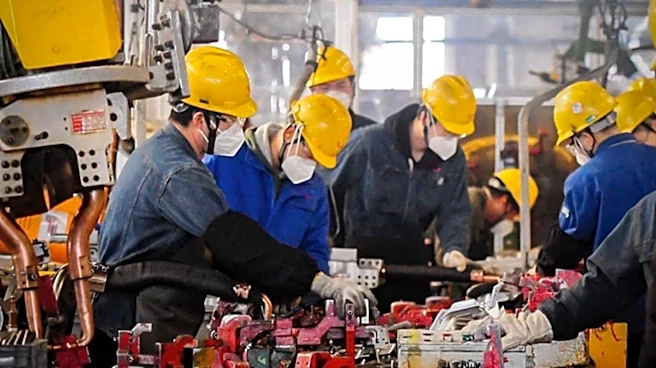
nation's top emitters of vinyl chloride, a known carcinogen, and also uses ethylene dichloride (EDC), a probable carcinogen. The investigation found that while emissions events have generally declined at other large petrochemical facilities in Texas, they have increased at Formosa, with about 40% involving vinyl chloride. The Texas Commission on Environmental Quality (TCEQ) has cited Formosa for 587 environmental violations since 2010 but has fined the company for only 71, totaling approximately $1.4 million. Worker safety is also a significant concern, with at least 122 people injured at the plant between 2020 and 2025, more than at four other large Texas chemical facilities combined. Despite this record, the TCEQ classifies Formosa as a 'satisfactory performer,' allowing it to avoid higher penalties and stricter permitting processes.
Why It's Important?
The findings regarding Formosa Plastics' operations in Point Comfort, Texas, are critically important due to the severe and persistent environmental and public health risks they pose. The plant's status as a top emitter of vinyl chloride, a known carcinogen, and its use of ethylene dichloride, a probable carcinogen, directly threaten the health of workers and surrounding communities. The increase in emissions events at Formosa, contrary to trends at other facilities, indicates a potential systemic failure in safety protocols and environmental management. The TCEQ's lenient approach, evidenced by minimal fines for numerous violations and the 'satisfactory performer' designation, undermines environmental protection laws and raises questions about regulatory effectiveness. This situation creates a significant public health burden, potentially leading to increased rates of cancer, neurological disorders, and other adverse health outcomes in the region. Economically, the community faces a trade-off between local employment opportunities provided by Formosa and the long-term costs associated with environmental degradation and healthcare for pollution-related illnesses. The lack of robust oversight also sets a dangerous precedent for other industrial facilities, suggesting that corporate profits may be prioritized over public and environmental safety.
What's Next?
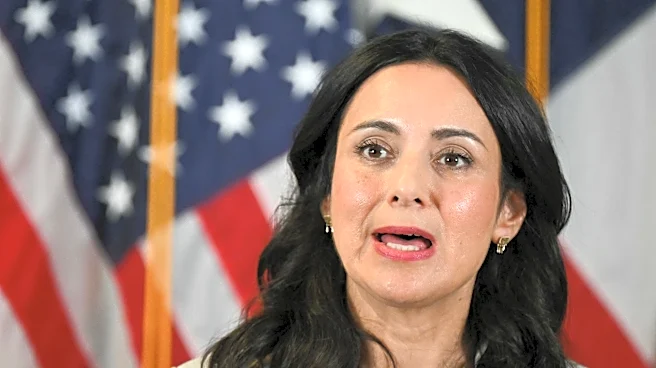
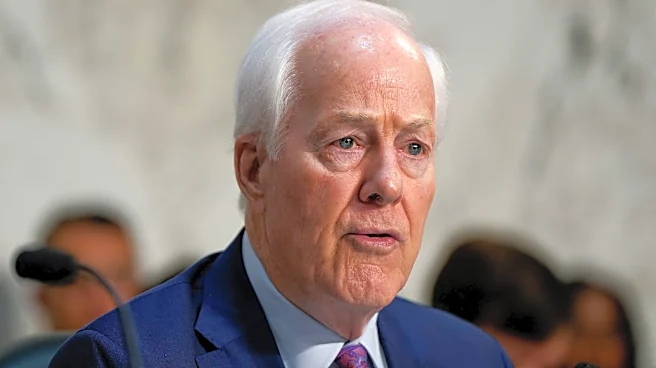
The Public Health Watch investigation has brought renewed attention to Formosa Plastics' operations and the regulatory environment in Texas. State Senator Lois W. Kolkhorst has indicated she will investigate the claims and consult with the TCEQ and other regulatory agencies regarding the sanctions or lack thereof. State Senator Molly Cook plans to focus on ensuring TCEQ permits are not 'rubber stamps' for polluting companies in the upcoming legislative session. These political responses could lead to increased legislative scrutiny of the TCEQ's enforcement practices and potentially result in reforms to environmental regulations and penalties. The EPA is also expected to decide next year whether vinyl chloride presents an 'unreasonable risk' to workers or the public, which could lead to more stringent federal regulations. The ongoing citizen lawsuit, which has already resulted in significant penalties for Formosa, demonstrates the power of community action in holding the company accountable. Future developments could include further legal challenges, increased public pressure, and potentially a reevaluation of Formosa's operating permits, especially as its wastewater permit for Lavaca Bay is up for renewal.
Beyond the Headlines
The Formosa Plastics case in Texas highlights a profound tension between industrial development, economic benefits, and environmental protection. The historical context of the plant, with its long record of spills, accidents, and worker injuries, underscores a pattern of regulatory leniency that has allowed a 'serial polluter' to thrive. The classification of Formosa as a 'satisfactory performer' by the TCEQ, despite hundreds of violations, exposes a critical flaw in the regulatory system, suggesting that the agency may be more aligned with industry interests than public health. This situation raises ethical questions about corporate responsibility and the accountability of governmental bodies. The decline in Point Comfort's population and the ongoing environmental contamination illustrate the long-term social and ecological costs borne by communities living near such industrial complexes. This case could serve as a catalyst for broader discussions on environmental justice, the need for independent regulatory oversight, and the imperative to prioritize human health and ecological integrity over short-term economic gains, potentially influencing national policy debates on industrial pollution and regulatory reform.