








What's Happening?
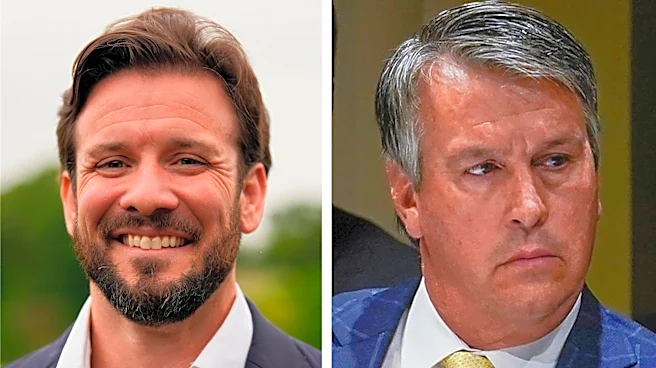
In Wisconsin, President Trump's former campaign attorney Jim Troupis, along with former aides Mike Roman and Ken Chesebro, have pleaded not guilty to felony forgery charges. These charges stem from their involvement in a scheme to submit fake elector
documents to Congress, falsely claiming that Trump won the state in the 2020 election. The case is progressing in Wisconsin, despite similar cases in Michigan and Georgia facing setbacks. The defendants argue they were preserving legal options in case a court ruled in Trump's favor. However, prosecutors allege they misled the 10 Republican electors about the use of their signatures, which were submitted to then-Vice President Mike Pence without a court ruling. The arraignment occurred two years after the initial charges were filed by Wisconsin Attorney General Josh Kaul. Each defendant faces 11 felony forgery charges, with potential penalties of up to six years in prison and a $10,000 fine per charge.
Why It's Important?
This case highlights ongoing legal battles related to the 2020 election and the efforts to overturn its results. The outcome could have significant implications for election integrity and the legal accountability of political operatives. The charges against Troupis, Roman, and Chesebro underscore the legal risks associated with attempts to undermine electoral processes. A conviction could deter similar actions in future elections, reinforcing the rule of law. Conversely, an acquittal might embolden those who question election outcomes. The case also reflects broader political tensions and the enduring impact of the 2020 election controversies on U.S. politics.
What's Next?
The defendants have filed motions to move the trial from Dane County to Jefferson County, citing concerns about jury impartiality due to negative publicity. The judge will set a schedule to hear these motions, as well as arguments regarding the applicability of a pardon issued by President Trump for federal crimes related to the fake elector scheme. The trial's progression will be closely watched, as it could set precedents for how state and federal jurisdictions handle election-related legal issues. The case's outcome may influence public trust in the electoral process and the legal system's role in safeguarding democracy.