






What's Happening?
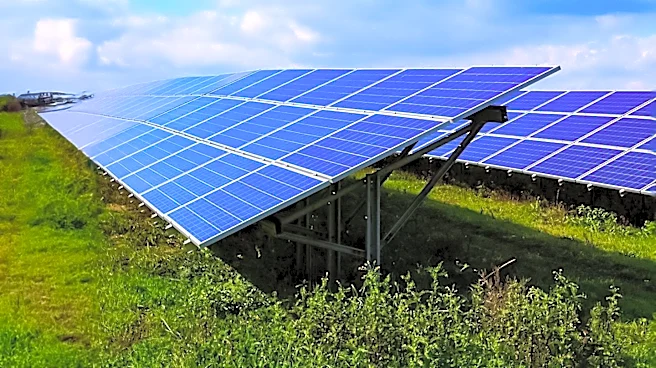
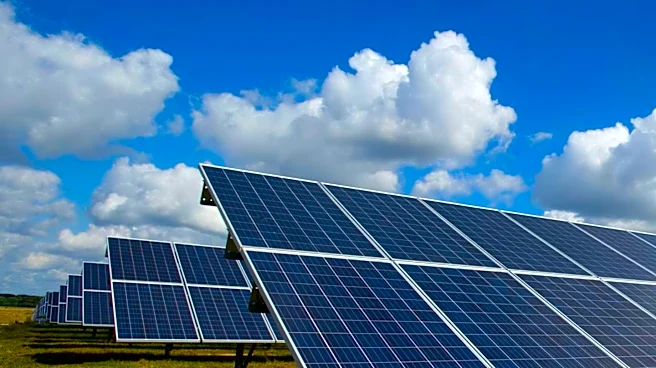
Over 2,750 individuals have submitted responses regarding plans for the Whitestone solar farm, which, if constructed, would be Europe's largest. The proposal, spanning areas of Doncaster and Rotherham in South Yorkshire, is currently under examination
by the government's Planning Inspectorate. While the responses are not categorized as for or against, several local entities, including parish councils, community groups, Members of Parliament, and the Rotherham and Doncaster councils, have voiced objections. The initial projection for the solar farm and battery storage facility covered 3,500 acres, but applicants Whitestone Net Zero have since made "significant changes to the project design" following two rounds of public consultation. The proposed 750MW solar farm would stretch across multiple towns and villages, including Conisbrough, Ravenfield, and Brinsworth. The application is classified as a national infrastructure project, necessitating a lengthy planning process that includes examination by planning inspectors and a final decision from the secretary of state.
Why It's Important?
This project is significant for Great Britain's energy future, aligning with the government's goal to source at least 95% of its electricity from "clean" sources, such as renewables and nuclear energy, by 2030. The government aims for 45-47 gigawatts (GW) of solar power capacity by 2030, potentially increasing to 54-57GW with additional rooftop solar, a substantial increase from the current 21GW (or 24GW according to the solar industry). If approved, the Whitestone solar farm would contribute significantly to this target. However, the project faces considerable local opposition due to concerns about its scale, location, and cumulative impact. Residents and groups like Whitestone Warriors fear the industrialization of agricultural land and a fundamental alteration of the countryside's character. South Yorkshire Mayor Oliver Coppard has also objected, citing inadequate mitigation for negative impacts, such as the proposed £18 million community fund over 60 years, which he deems insufficient compensation for the loss of local amenities and access to nature.
What's Next?
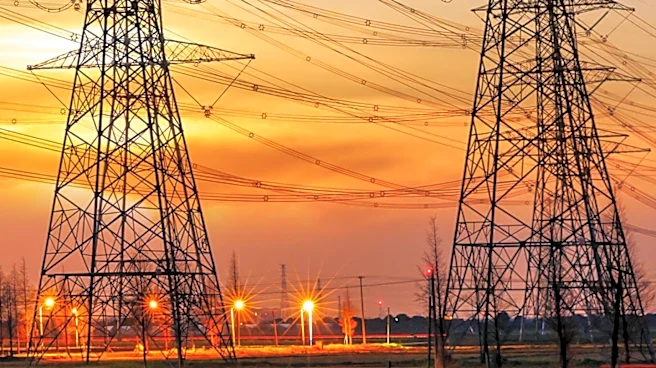
The planning process for the Whitestone solar farm is set to continue, with planning inspectors expected to take up to six months to review all submitted responses. Following this review, they will forward their recommendation to the secretary of state, who will then make the final decision on the project's approval. Whitestone Net Zero has indicated that new energy projects must connect to the National Grid where capacity is available, such as Brinsworth, which influenced their site selection. The company has already adjusted its plans based on public feedback, reducing the proposed areas by a quarter to create offsets around homes, villages, and public rights of way. Future steps will likely involve further engagement between the developers, local communities, and government bodies as the project navigates the regulatory framework and addresses ongoing concerns about its environmental and social impact.
Beyond the Headlines
The Whitestone solar farm proposal highlights a broader tension between national energy goals and local community concerns regarding large-scale renewable energy infrastructure. While the project is crucial for Great Britain's transition to clean energy and its climate commitments, it raises significant questions about land use, rural preservation, and the equitable distribution of benefits and burdens from such developments. The debate underscores the challenge of balancing environmental sustainability with local quality of life and agricultural interests. The concept of "industrialization of significant areas of countryside" reflects a growing concern among rural communities about the visual and ecological impact of large energy installations. Furthermore, the discussion around the adequacy of community compensation funds, such as the £18 million proposed, points to the need for robust frameworks that ensure local populations genuinely benefit from, or are appropriately compensated for, projects that alter their environment and way of life. This case could set a precedent for how future large-scale renewable energy projects are planned, consulted upon, and ultimately approved in the UK.