









What's Happening?
Japan is exploring the possibility of resuming oil imports from Iran for the first time since 2019, under a temporary U.S. sanctions waiver. This development comes amid ongoing peace talks between Tehran and Washington, with the waiver set to expire on August
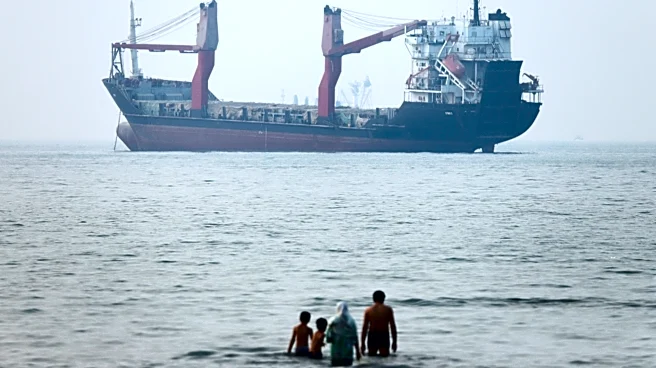
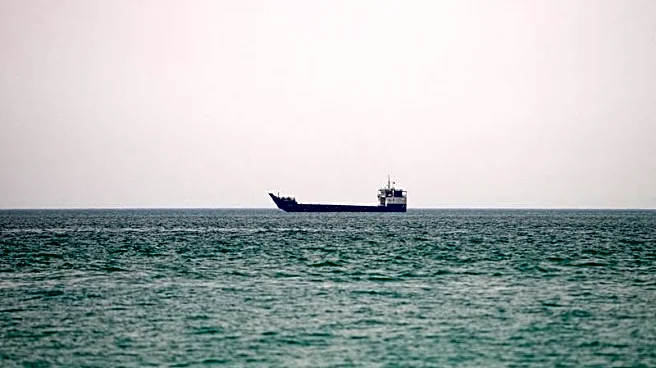
21. Japanese and Iranian officials are in preliminary discussions about potential oil sales, although Japan's Ministry of Economy, Trade and Industry has not confirmed any such plans. The resumption of oil imports would require assurances about the safety of shipping routes, particularly through the Strait of Hormuz, which has seen recent attacks. The waiver allows for limited oil sales, but prospective buyers are seeking a longer extension and guarantees for safe passage.
Why It's Important?
The potential resumption of Iranian oil imports by Japan could signal a shift in international energy dynamics, particularly in the context of U.S.-Iran relations. If successful, this move could alleviate some of the pressure on global oil markets and provide Iran with a crucial economic lifeline. However, the safety of shipping routes remains a significant concern, as the Strait of Hormuz is a critical chokepoint for global oil supplies. The outcome of these negotiations could influence future U.S. foreign policy decisions and impact the broader geopolitical landscape, especially in relation to energy security and international trade.
What's Next?
For Japan to proceed with Iranian oil imports, the U.S. would need to extend the current sanctions waiver. Additionally, Japan will need to secure insurance for tankers and ensure the safety of shipping routes. The outcome of the ongoing peace talks between the U.S. and Iran will be crucial in determining the feasibility of these imports. If successful, this could pave the way for other countries to consider similar arrangements, potentially reshaping global oil trade patterns.